Giving YOU THE RAW STORIES AND ALL THE BEHIND THE SCENES ACTION

The Evolution of Wrestling: From Ancient Sport to Global Entertainment Phenomenon
SPORTS HISTORY
Glenn Spillman
2/1/20268 min read
A Brief History of Wrestling: The Ancient Roots
Wrestling, one of the most ancient sports known to humanity, has its roots tracing back thousands of years across various civilizations. Its origins can be found in ancient cultures, where it was not merely a form of entertainment but a fundamental aspect of training, social bonding, and ritualistic practice. Archaeological evidence indicates that wrestling was prevalent among ancient Egyptians, who depicted the sport in their hieroglyphics, showcasing athletes engaged in various grappling techniques.
The ancient Greeks significantly contributed to the formalization of wrestling as a competitive sport. Wrestling was a central feature of the ancient Olympic Games, first held in 776 BC. The Greeks revered wrestling, regarding it as a pivotal skill for warriors, emphasizing agility, strength, and strategy. Their view of wrestling as a grand spectacle led to the establishment of numerous training facilities known as palæstras, where athletes honed their skills in preparation for competitions.
Similarly, the Romans embraced wrestling, incorporating it into their own athletic competitions, and often presenting competitive matches in the arenas. Roman writings reveal that wrestling was categorized into various styles, highlighting the diversity of techniques and strategies employed by wrestlers. This adaptation of wrestling not only influenced the sport’s growth in Europe but also set the stage for the development of various wrestling styles that would emerge in different cultures later on.
Overall, the legacy of wrestling is vast and deeply rooted, reflecting its evolution from a ritualistic exercise in ancient societies to a structured competitive sport. This rich history underscores wrestling as one of humanity's oldest competitive endeavors, echoing the values of strength, skill, and perseverance across centuries.
The Birth of Professional Wrestling: A Carnival Attraction
The origins of professional wrestling can be traced back to the mid-19th century, a time when this sport transitioned from a competitive discipline to a form of entertainment that captivated audiences across America. During this period, traveling carnivals and sideshows featured wrestling contests as a key attraction, helping to solidify its status as a popular spectacle. The wrestling matches showcased in these environments were often predetermined and infused with theatrical elements, blurring the lines between sport and entertainment.
Notable performers became the stars of these carnivals, with larger-than-life personalities that drew in crowds. Wrestlers such as Evan “Strangler” Lewis and Farmer Burns became household names, known not only for their physical prowess but also for their promotional skills. The matches they participated in were carefully choreographed affairs, designed to entertain rather than to determine a true victor. This shift was instrumental in laying the groundwork for what would eventually evolve into modern professional wrestling.
The theatrical aspects of wrestling drew heavily from the carnival atmosphere, which included elaborate storylines, colorful costumes, and dramatic entrances. Wrestlers often adopted specific gimmicks or personas that resonated with the audience, creating an emotional connection that enhanced the viewing experience. This approach reinforced the notion of wrestling as a form of storytelling, mixing athleticism with entertainment and paving the way for its future as a global phenomenon.
As public interest surged, promoters began to recognize the potential of wrestling as a mainstream entertainment medium. The growth of newspapers and periodicals also facilitated the promotion of matches and characters, allowing the spectacle of wrestling to reach a wider audience. This evolution marked the transition of wrestling from mere sport to a key attraction in the world of carnival entertainment, setting the stage for its eventual rise as a dominant force in global entertainment.
The Shift to a Predetermined Spectacle: The 1920s Transition
The 1920s constitutes a pivotal decade in the trajectory of wrestling, marking a significant transition from what had traditionally been perceived as legitimate athletic contests to a spectacle characterized by predetermined outcomes. This shift engendered a transformation in the wrestling industry, as promoters recognized the potential to enhance entertainment value by scripting matches, thus captivating a broader audience.
Prior to this change, wrestling drew considerable appeal from its genuine nature, with matches often resembling legitimate competitions that showcased athletes' technical prowess and physicality. However, as the entertainment landscape began to evolve, wrestling promoters recognized the opportunity to leverage narrative storytelling within their matches, thereby creating more engaging experiences for spectators. Thus, quintessential elements such as character development, rivalries, and intricate plotlines began to emerge.
Prominent wrestling promotions took the lead in bringing this scripted format to the forefront, implementing carefully planned outcomes that aimed not just at securing viewer loyalty, but also enhancing the thrill of the experience. Notably, figures like Ed “Strangler” Lewis emerged as household names, aiding in the rise of wrestling as a mainstream entertainment medium. The characterization of wrestlers evolved into larger-than-life personas, each representing extreme virtues or vices, which further stimulated audience interest and sentiment.
This transformation inevitably influenced audience perception of wrestling, redefining its identity from a legitimate sport to a theatrical performance. Fans began to appreciate the artistry and storytelling aspects, even as the authenticity of competition faded. The evolution fostered a dedicated fanbase that relished in the drama and excitement that unfolded within the squared circle, thus shaping the wrestling industry into a substantial facet of global entertainment.
The Golden Age of Wrestling: Television and Popularity
The 1940s and 1950s mark a transformative period in the history of wrestling, often referred to as the ‘Golden Age of Wrestling.’ This era coincided with the rise of television as a household medium, changing the way fans engaged with this sport. Before television, wrestling was mainly a live event that attracted local audiences; however, the introduction of televised matches revolutionized the fan experience, bringing the action directly into homes across America.
Television provided wrestlers with a unique platform to showcase their skills, enabling them to reach a broader audience than ever before. Major wrestling promotions embraced this shift, broadcasting matches that featured larger-than-life characters, intense rivalries, and dramatic storylines. Wrestlers like Gorgeous George, who captivated audiences with his flamboyant persona and showmanship, became household names. His antics not only entertained viewers but also elevated the perception of wrestling as a legitimate form of entertainment. The charismatic nature of these wrestlers drew in fans from all demographics, leading to exponential growth in the sport's popularity.
During this period, wrestling became synonymous with family entertainment. Fans eagerly anticipated weekly shows, where they could engage with their favorite stars. The televised matches created icons and legends who would leave a lasting impact on the industry. Additionally, the accessibility of televised wrestling fostered a culture where fans felt a personal connection to the wrestlers, leading to increased loyalty and engagement.
Overall, the Golden Age of Wrestling played a crucial role in shaping modern wrestling as a form of global entertainment. The combination of television and compelling characters allowed wrestling to escape local arenas, transforming it into a cultural phenomenon that continues to thrive today. The impact of this era is visible in the enduring popularity of wrestling and its evolving nature in the entertainment landscape.
The Formation of the National Wrestling Alliance: A New Era
In 1948, a pivotal moment in the history of professional wrestling occurred with the establishment of the National Wrestling Alliance (NWA). This organization was birthed from a need for a unified governing body that could provide structure to the burgeoning industry, which was characterized by various independent promotions operating across different territories. The NWA sought to bring together these disparate entities under one umbrella, allowing for collaborative promotion and recognition of champions.
The founding of the NWA can be viewed as a significant turning point that revolutionized the wrestling landscape. Prior to its formation, wrestling promotions often operated in isolation, leading to inconsistent business practices and a lack of standardized operations. The NWA introduced a centralized championship system, with the NWA World Heavyweight Championship becoming the most prestigious title within the organization. This not only elevated the status of the title itself but also promoted a sense of legitimacy and competitiveness among the regional promotions.
The impact of the NWA was profound, as it enabled wrestling promotions to engage in a more structured business framework. By aligning various territories, the NWA facilitated an era where wrestlers could travel between different regions, enhancing their visibility and drawing larger crowds. Furthermore, this cooperation among promotions led to the development of storylines and rivalries that captivated audiences, a tactic that would eventually become a hallmark of professional wrestling.
As the NWA expanded its reach, it set the stage for future wrestling promotions and the eventual rise of global entities like World Wrestling Entertainment (WWE). The alliance not only shaped the economics of wrestling but also helped cultivate the entertainment value of the sport, laying down a blueprint that would influence the industry for decades to come.
Vince McMahon and the Revolution of Wrestling in the 1980s
Vince McMahon's impact on the landscape of professional wrestling during the 1980s cannot be overstated. As the driving force behind what was then the World Wrestling Federation (WWF), now known as WWE, McMahon engaged in ambitious strategies that redefined wrestling as a mainstream entertainment spectacle. One of his most significant innovations was the introduction of national television broadcasts, a move that allowed wrestling to reach audiences across the United States and beyond.
Central to McMahon's approach was the marketing of wrestling not just as a sport but as a form of entertainment. He blurred the lines between athletic competition and theatrical performance, which appealed to a broader audience. Icons such as Hulk Hogan, who became a household name, played crucial roles in drawing viewers with their larger-than-life personas and storylines. This emphasis on character development and compelling narratives helped to increase the fan base exponentially.
Additionally, the launch of pay-per-view events marked a significant advancement in how wrestling was consumed. The inaugural WrestleMania in 1985 epitomized McMahon's vision; it was more than just a wrestling event; it combined music, celebrity appearances, and dramatic storytelling, effectively setting the stage for future wrestling events. This innovative approach not only generated substantial revenue but also established a new model for how wrestling could be marketed and presented.
Vince McMahon's strategies represented a pivotal turning point, as he successfully created a national audience and ushered in a new era where the realms of sports and entertainment seamlessly intertwined. His influence in the 1980s laid the foundation for professional wrestling to flourish into a global phenomenon that continues to captivate millions around the world. Through his vision, McMahon transformed wrestling into a multifaceted entertainment entity that continues to thrive today.
The Global Phenomenon of Wrestling Today
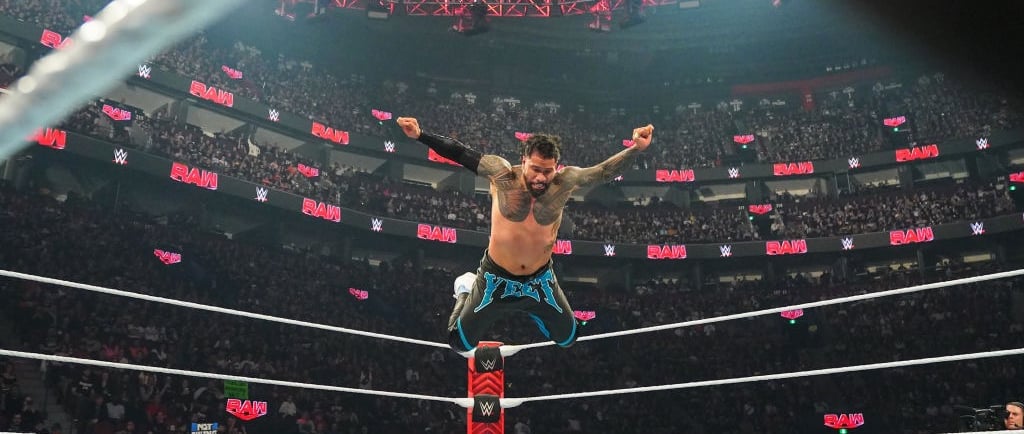
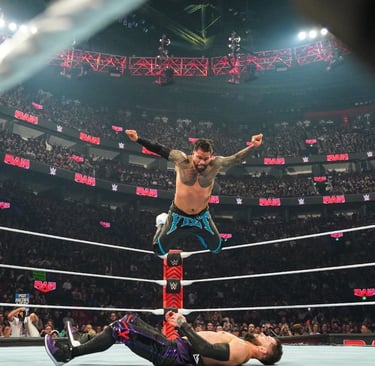
In contemporary society, professional wrestling has transformed into a multi-billion-dollar industry, engaging millions of fans across the globe. The phenomenon extends far beyond mere entertainment; it has become a cultural touchstone, influencing a variety of other media and forms of expression. Wrestling events, particularly those produced by leading organizations, attract substantial live audiences and offer a programming landscape that generates significant viewership on television and streaming platforms. The production quality, storylines, and character development have evolved to capture the attention of diverse demographics, which has led to increased global engagement.
Despite this widespread popularity, the ongoing debate regarding the legitimacy of wrestling as a sport persists. Critics often emphasize that wrestling is scripted and predetermined, leading some to dismiss it as a form of mere spectacle rather than a legitimate athletic endeavor. However, proponents argue that the athleticism, physical prowess, and dedication displayed by wrestlers should not be overlooked. The combination of choreographed moves and the requirement of narratives to resonate emotionally with audiences highlights an art form distinct from traditional sports.
The loyal dedication of wrestling fans is a testament to the cultural significance of this industry. Fans participate in vibrant communities both online and in person, engaging in discussions that analyze storylines and the athletes themselves. They celebrate not only the matches but also the unique multifaceted artistry that professional wrestling embodies. The incorporation of social media has further enriched fan interaction and discourse, allowing for real-time reactions and a connection among global audiences.
Looking toward the future, wrestling is poised for continual evolution. Innovations such as advanced technology in production and the integration of emerging platforms for distribution are likely to reshape how wrestling reaches its audience. Moreover, the increasing demand for diverse storylines and representation indicates that the sport will continue to adapt, ensuring its relevance in a rapidly changing entertainment landscape.