Giving YOU THE RAW STORIES AND ALL THE BEHIND THE SCENES ACTION

Navigating the Gym Life: Health, Culture, and Safety
FITNESS
Glenn Spillman
1/31/20268 min read

The Purpose of Lifting: Health vs. Aesthetics
In the realm of fitness, weight lifting serves as a multifaceted pursuit that caters to a broad spectrum of individual motivations. While many associate lifting with aesthetic objectives, such as sculpting one's physique or achieving a particular body image, it is crucial to emphasize the equally significant health benefits associated with resistance training. For many gym-goers, the primary purpose of lifting is not solely about appearance but also about enhancing overall health and fitness.
Health-related motivations for weight lifting often include improving muscular strength, increasing bone density, and promoting cardiovascular health. Engaging in resistance training has been shown to facilitate better weight management, improve metabolic rate, and contribute to mental wellness by reducing symptoms of anxiety and depression. As a result, individuals pursuing health-centered goals frequently find themselves focusing on compound movements that engage multiple muscle groups, thereby maximizing their physical benefits.
Conversely, those who lift primarily for aesthetic reasons may prioritize specific routines aimed at enhancing muscle definition, symmetry, and body composition. For these individuals, gym sessions revolve around achieving visually appealing results, leading to a vibrant culture surrounding bodybuilding and figure competitions. This focus on aesthetics, however, can sometimes overshadow the health aspects of lifting, as adherence to strict diets and training regimes can lead to issues like overtraining or body image concerns.
The diversity in motivations illustrates that the gym is not a one-size-fits-all environment. While individuals may embark on their lifting journeys with distinct intentions, the resulting experiences can foster a common understanding of the importance of both health and aesthetics in the pursuit of fitness. Ultimately, recognizing and respecting these differences can create a more inclusive gym culture, promoting a varied approach to achieving personal goals.
The Welcoming Gym Environment
Creating a welcoming gym environment is essential for promoting inclusivity and support among members of various fitness levels. Gyms that prioritize such positive atmospheres foster an environment where individuals feel safe to pursue their health goals without fear of judgment or exclusion. This kind of space encourages newcomers and seasoned gym-goers alike to share their experiences, stories, and fitness journeys.
Inclusive gyms often implement a variety of strategies to build a community of support. For instance, they may organize group classes that cater to different levels of expertise, allowing participants to engage with exercises they feel comfortable with while also challenging themselves. These classes can create a strong sense of camaraderie as members bond over shared experiences, discovering mutual motivators along the way. Moreover, gym staff usually play a vital role in establishing a welcoming atmosphere by being approachable and offering guidance to individuals who need assistance or encouragement.
An important aspect of a supportive gym environment is the reduction of judgmental behavior. Gyms that actively discourage negative attitudes among members can help create friendships based on mutual respect and encouragement. Many establishments now promote a culture where members celebrate each other’s successes, fostering a sense of belonging. This shift not only enhances the overall workout experience but also facilitates learning from fellow gym-goers, whether it is via sharing tips or simply motivating one another to push through tough training sessions.
Additionally, empowering all individuals to embrace their unique fitness journeys leads to a more diverse atmosphere, where various backgrounds and experiences enrich discussions and perspectives. This rich cultural exchange can inspire each member to strive toward their personal fitness goals, ultimately making the gym an inviting space where everyone can thrive.
Navigating the complexities of gym culture can often reveal less than pleasant aspects, particularly the presence of judgmental attitudes among some members. These negative behaviors can manifest in various forms, from overt criticism of others’ physiques and workout techniques to subtle looks of disapproval that can make anyone feel unwelcome, especially newcomers. Such a culture of criticism can be detrimental, dissuading individuals from fully engaging in their fitness journeys and potentially impacting their mental well-being.
The competitive nature often seen in gyms can exacerbate feelings of ridicule and self-doubt. Veteran lifters might unintentionally contribute to a toxic atmosphere by projecting high standards and expectations onto those who are new to the environment. This may lead to hesitance in seeking advice or trying new exercises for fear of being scrutinized or belittled. Consequently, both newcomers and seasoned gym-goers can experience increased anxiety, which may disrupt their fitness regimens.
Addressing this culture of negativity requires a conscious effort from both gym management and members alike. Implementing a more supportive environment is crucial for fostering inclusivity. Gym owners can promote a positive culture through workshops focused on community-building, encouraging members to share their experiences and insights without judgment. Additionally, creating rules and guidelines that explicitly discourage negative remarks can help in establishing a respectful atmosphere.
Individually, gym-goers can adopt a mindset of empathy and understanding, recognizing that everyone was a beginner at some point. Encouraging fellow members, even in small ways, fosters a sense of community, helping to break down barriers of criticism. It is essential to challenge one’s own perceptions in a gym setting and to strive for a culture that uplifts rather than diminishes.
Safety Concerns in Gyms: What to Watch Out For
Maintaining a safe gym environment is pivotal for promoting health and wellness among gym-goers. Various safety concerns can arise in fitness centers, potentially compromising the experience for users. One significant factor is the state of the equipment. Poor equipment maintenance can lead to malfunctions or injuries. Gym operators should implement regular inspections and maintenance routines to ensure that all machines and weights are functioning correctly. Gym members are encouraged to report any broken equipment promptly.
Another common issue in gyms is overcrowding, which can create hazardous conditions. Crowded environments increase the risk of accidents, such as collisions between users or falls due to obstructive pathways. Gyms should manage their capacity, especially during peak hours, to minimize overcrowding and maintain a safe space for workouts. It may be beneficial for fitness facilities to consider the use of reservation systems to control the number of participants at any given time.
Inadequate supervision is another safety hazard that can jeopardize gym safety. A lack of staff presence, particularly during busy periods, can lead to improper use of equipment and pose a high risk of accidents. Gyms should ensure there is an adequate number of trained personnel available to assist users and monitor activity within the facility. Proper signage indicating safe usage procedures for machines and equipment is also vital; this provides essential guidance and can prevent injuries.
Ultimately, recognizing and addressing these potential hazards in gyms contributes to a safer workout experience. Individuals must remain vigilant about their surroundings and report any safety concerns to gym management. By creating a proactive safety culture, gyms can significantly enhance the overall experience and reduce the likelihood of accidents.
Spotlight on Diamond Gym: The Controversial Reputation
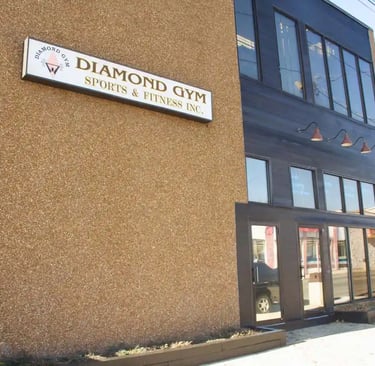
Located in Maplewood, New Jersey, Diamond Gym has garnered a controversial reputation, often cited as one of America's most dangerous gyms. This notoriety is primarily rooted in several incidents that have taken place within its walls. Over the years, it has been reported that the gym's atmosphere fosters aggression, rooted in a culture that glorifies intense competition and a no-nonsense approach to fitness.
The incidents that contribute to this gym's reputation range from verbal altercations to incidents of physical confrontations. The environment can sometimes feel charged, with members often pushing each other to their limits, which may escalate into tensions. This dynamic appeals to certain individuals who thrive in competitive settings but can be intimidating to newcomers or those seeking a more supportive atmosphere.
Diamond Gym’s culture stands in stark contrast to those of safer gym environments, which typically emphasize inclusivity, positivity, and community support. In many conventional gyms, the focus is on personal progress and collaboration rather than fierce competition. This creates a welcoming space for individuals of all fitness levels, fostering relationships among members and promoting overall well-being.
Critics of Diamond Gym argue that its culture encourages a mindset where aggression is tolerated and may even be rewarded, potentially discouraging individuals from participating in a safer exercise routine. Furthermore, the reputation of danger associated with Diamond could dissuade potential members who prioritize safety and a friendly environment over a competitive edge.
While Diamond Gym caters to a specific demographic of fitness enthusiasts, those seeking a more nurturing gym experience might find themselves at odds with its controversial reputation. Understanding the implications of such a culture can inform choices when selecting a gym that aligns with personal fitness goals and safety preferences.
Tips for Choosing the Right Gym for You
Choosing the right gym is a pivotal step in your fitness journey, impacting not only your workout efficiency but also your overall motivation and commitment. To start, consider defining your personal fitness goals. Different gyms cater to various objectives, whether it be weight loss, muscle gain, or general well-being. Identifying a gym that aligns with your specific targets can greatly enhance your experience.
Next, evaluate the atmosphere of the gym. A welcoming and motivating environment can significantly affect your enthusiasm. Visit potential gyms during peak hours to assess the energy, community, and overall vibe. It's essential to find a place where you feel comfortable and supported, as social factors can play a key role in sustainability of your gym routine.
Equipment availability is another crucial factor to consider. Ensure that the gym is equipped with the machines and free weights necessary for your workout regimen. A well-maintained facility with diverse offerings can help in creating a balanced workout routine that keeps boredom at bay. Additionally, inquire about the gym's classes and personal training options, as these can offer valuable guidance and structure.
Location should not be overlooked. A conveniently located gym is more likely to be visited regularly, minimizing the chance of making excuses to skip workouts. Consider proximity to your home or work, as well as the availability of parking or public transport facilities.
Finally, assess safety protocols in place at the gym, particularly in the context of current health guidelines. Hygiene, equipment maintenance, and emergency preparedness are critical elements that contribute to a safe workout environment. By thoroughly considering these factors, you will increase your chances of finding a gym that not only meets your practical needs but also supports a healthy lifestyle.
Building a Positive Gym Culture
Creating a positive gym culture is essential for fostering an environment where individuals feel welcome and supported in their fitness journeys. A strong sense of community can significantly enhance motivation and accountability among gym-goers. One of the key elements in building this inclusive culture is to actively support and encourage fellow members.
To promote inclusivity within the gym, it's important to acknowledge and respect the diversity of individuals pursuing their fitness goals. This includes recognizing that each person is at a different stage in their journey and may have different needs and preferences. By being mindful of this diversity, gym-goers can engage more empathetically and assist each other effectively.
Encouragement plays a critical role in the gym environment. Simple gestures such as offering a smile, providing a compliment about someone's progress, or sharing your own fitness experiences can go a long way in making others feel valued and supported. Additionally, creating or participating in group classes or training sessions helps to foster camaraderie among members, allowing individuals to bond over shared experiences and challenges.
An important aspect of a positive gym culture is ensuring that everyone feels comfortable and safe. This can be accomplished by advocating for respectful behavior, addressing harassment or negative comments, and promoting an atmosphere where individuals can thrive without fear of judgment. Establishing clear guidelines and policies around acceptable behavior can further support this objective.
Lastly, giving back to the community, such as organizing charity events, challenges, or volunteering opportunities, can help strengthen relationships among gym members. Engaging in these activities not only enhances the fitness experience but also contributes to a positive gym culture that encourages collaboration and mutual respect.