Giving YOU THE RAW STORIES AND ALL THE BEHIND THE SCENES ACTION

The History of the Super Bowl: From Its Inception to the Modern Day Spectacle
NFL
Glenn Spillman
1/27/20268 min read
The Birth of the Super Bowl: Year One
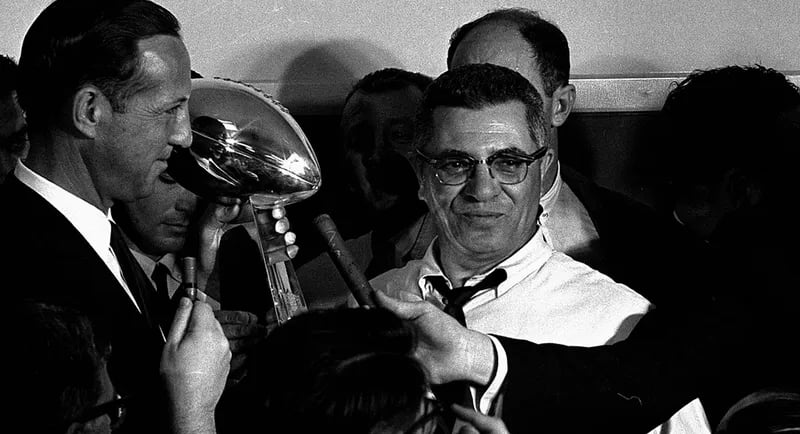
The Super Bowl, a hallmark of American sports culture, traces its origins to January 15, 1967, when the inaugural game took place. This monumental event was born out of the necessity to unify two competing football leagues—the National Football League (NFL) and the American Football League (AFL). A growing rivalry between these leagues prompted the merger discussions, eventually leading to the formation of a championship game that would help solidify professional football's popularity across the nation.
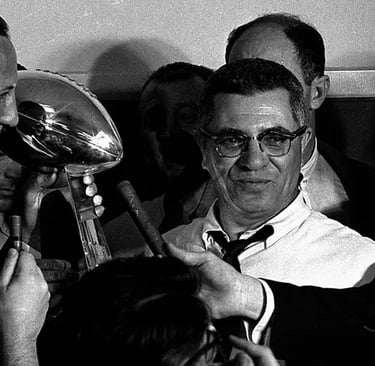
The first Super Bowl featured the Green Bay Packers, under the leadership of coach Vince Lombardi, against the Kansas City Chiefs, coached by Hank Stram. Lombardi, whose name would later become synonymous with success in the NFL, spearheaded the Packers' dominance during this nascent phase of professional football. The game was not only significant for showcasing talent but also for setting the stage for what would become an annual tradition, drawing millions of viewers and commercial interests alike.
Played at the Los Angeles Memorial Coliseum, the matchup attracted a relatively modest audience, with about 61,946 fans in attendance—far fewer than contemporary Super Bowl crowds. However, the significance of this event was profound, as it laid the foundation for the extensive media coverage and fanfare that the Super Bowl would eventually generate. The Packers emerged victorious, defeating the Chiefs by a score of 35 to 10, which highlighted their dominance and set a precedent for future matchups.
In summary, the inaugural Super Bowl marked a pivotal moment in sports history, establishing a championship tradition that would evolve into a modern day spectacle, revered by fans and athletes alike. Its inception not only celebrated the convergence of two leagues but also signified the beginning of a beloved annual event that has become emblematic of American sporting culture.
The Evolution of the Super Bowl: Key Milestones in the Decades
Since its inception in 1967, the Super Bowl has undergone significant transformation, evolving from a mere championship game into a cultural spectacle embraced by millions. The inaugural match, Super Bowl I, featured the Green Bay Packers and Kansas City Chiefs, laying the foundation for a sporting tradition that would grow exponentially. Throughout the following decades, various milestones marked its evolution.
In the 1970s, the Super Bowl began to gain traction as a national event, with Super Bowl III becoming historically significant when Joe Namath famously guaranteed a victory for the New York Jets over the Baltimore Colts. This decade also saw the introduction of the first commercial breaks, which set the stage for the extravagant advertisements that would come to define the event.
The 1980s brought forth the introduction of the halftime show, transforming it into a major entertainment segment. Super Bowl XX in 1986 witnessed the first such performance, featuring the renowned performer, Up with People. Over the years, the halftime shows evolved to include top-tier artists like Michael Jackson, Beyoncé, and Shakira, considerably broadening the appeal of the Super Bowl beyond just football audiences.
In the 1990s, the growth of broadcasting technology increased viewership, while the Super Bowl also became a platform for social and political commentary. Notably, Super Bowl XXV in 1991 ignited a sense of patriotism amidst the Gulf War, highlighted by Whitney Houston’s performance of the national anthem.
The 2000s and beyond heralded a digital revolution, with the advent of online streaming leading to viewers being able to enjoy the Super Bowl with unprecedented accessibility. Additionally, this period solidified the event's status as a global spectacle, cementing its cultural significance through viral moments and shared experiences across diverse platforms.
As we venture into the current decade, the Super Bowl continues to captivate audiences worldwide, with its ongoing evolution reflecting changes in technology, entertainment, and societal values. Each decade has contributed unique milestones that collectively narrate the rich history of the Super Bowl, reinforcing its significance in both sports and culture.
The Halftime Show: A Cultural Showcase
The Super Bowl halftime show has evolved tremendously since its inception in the 1960s. Initially, it featured marching bands and local entertainers, serving merely as intermissions between the football game. However, as the Super Bowl transformed into one of the most-watched television events, so too did the halftime show. Today, it stands as a cultural phenomenon, often attracting global attention and significant viewership.
The 1990s marked a turning point for the halftime show. Performers like Michael Jackson and Madonna brought unprecedented star power, elevating the show’s status. Jackson's performance in 1993 is frequently credited with changing the landscape; it turned the halftime event into a prime platform for artists to showcase their music and message. This year also saw the halftime show’s ratings soar, proving that a well-orchestrated performance can be as pivotal to the event as the game itself.
As the years progressed, other notable performances followed, including those by Beyoncé, Prince, and Shakira & Jennifer Lopez, each contributing to the halftime show’s reputation as an entertainment juggernaut. Celebrity involvement has dramatically increased, as A-list performers vie for the opportunity to captivate millions, making it a coveted milestone in their careers. The integration of elaborate stage designs, innovative choreography, and multimedia elements has further amplified its appeal.
However, the halftime show has not been without controversy. Incidents such as Janet Jackson’s wardrobe malfunction in 2004 ignited public debate surrounding decency, performance art, and media representation. Controversial moments often invite mixed reactions but undeniably add to the show's narrative and allure. The evolution of the Super Bowl halftime show reflects larger trends in popular culture while simultaneously shaping the landscape of live performance, ensuring its place as a prominent fixture in Super Bowl history.
Commercialization of the Super Bowl: From Ads to Big Business
Since its inception, the Super Bowl has evolved into a cultural phenomenon that extends far beyond the football field. One of the most notable transformations is the commercialization of the event, particularly through advertising. Initially, the commercials aired during the Super Bowl were mere extensions of traditional advertising efforts. However, as the popularity of the game skyrocketed, businesses recognized the unique opportunity to engage with a massive audience, leading to the creation of memorable and often iconic advertisements specifically tailored for the occasion.
The economics of Super Bowl commercials illustrate their significance in today’s media landscape. As of recent years, the cost for a 30-second spot during the Super Bowl has surged to upwards of $5 million, a marker that reflects both the perceived value and the competitive nature of the advertising industry. Companies are willing to invest heavily in this platform, hoping that their ads will resonate with the millions of viewers tuning in. Notably, the Super Bowl draws approximately 100 million viewers, making it one of the most-watched television events annually.
This vast audience has led to the phenomenon of 'Super Bowl Commercials' becoming an event in their own right. Audiences often anticipate and discuss the ads just as eagerly as they do the game itself. Many companies leverage this excitement, releasing teaser trailers or promoting their ads on social media prior to the event. This strategic approach not only enhances viewer engagement but also allows brands to capitalize on the heightened awareness, fostering deeper connections with consumers.
In conclusion, the commercialization of the Super Bowl exemplifies how a sporting event can evolve into a significant platform for marketing and brand identity, reflecting broader trends in consumer behavior and media consumption.
Social Impact of the Super Bowl: Philanthropy, Politics, and Unity
The Super Bowl, widely recognized as one of the most significant sporting events in the United States, extends its influence beyond the realm of football. It serves as a powerful platform that intertwines philanthropy, political activism, and social unity. Over the years, the National Football League (NFL) and the Super Bowl have actively engaged in various initiatives that highlight their commitment to addressing societal issues.
One notable initiative is 'NFL Green,' which focuses on promoting environmentally sustainable practices within the league and its events. This program emphasizes the importance of environmental stewardship by encouraging recycling, waste reduction, and energy conservation during the Super Bowl, which brings together millions of viewers. Such efforts not only raise awareness about climate change but also foster a culture of responsibility among fans and players alike.
Moreover, the Super Bowl has historically become a forum for political discourse, particularly during its halftime shows and commercials. Various artists and brands utilize their platform to address pressing social issues, contributing to a broader dialogue that reflects the concerns of the American public. This has led to notable collaborations with organizations focused on civil rights and social justice, demonstrating how the NFL can leverage its cultural influence to support meaningful change.
Beyond philanthropy and politics, the Super Bowl also acts as a unifying event for diverse communities. It transcends socio-economic divides, drawing viewers together to celebrate a shared cultural experience. This sense of unity is particularly evident during moments of collective support for players or social movements, highlighting the game's evolving role in the fabric of American society. Indeed, the Super Bowl is not merely a sporting event; it is a cultural phenomenon that encapsulates the complexities of modern America.
Records and Achievements: Legendary Players and Teams
The Super Bowl, as the pinnacle of American football, has become a stage for remarkable performances and extraordinary achievements, establishing records that beckon the attention of sports enthusiasts. Among the most prominent figures in this arena is Tom Brady, who has redefined the quarterback position. His impressive tally of seven Super Bowl victories and five Super Bowl MVP awards stand as testament to his remarkable prowess and longevity in the sport. Brady’s ability to perform under pressure, particularly noted during the 2017 Super Bowl where he led the New England Patriots to an unprecedented comeback against the Atlanta Falcons, marks him as a defining player in this annual event’s history.
Another iconic name associated with Super Bowl excellence is Joe Montana. Known for his calm demeanor and clutch performances, Montana led the San Francisco 49ers to four Super Bowl championships in the 1980s, earning the Super Bowl MVP honor three times. His ability to elevate his team’s performance on the grand stage left a lasting impact, and his legacy continues to resonate with fans and players alike.
Beyond individual achievements, the Super Bowl has witnessed teams that have cemented their place in sports history. The Pittsburgh Steelers, for example, have won six Super Bowl titles, showcasing a franchise that not only dominates in wins but also exemplifies teamwork and resilience. Moreover, the New England Patriots’ consistent presence in Super Bowl competitions, led by their legendary coach Bill Belichick, further emphasizes the organizational excellence necessary for success in this grand event.
Ultimately, the interplay of legendary players and teams enriches the narrative of the Super Bowl. Each contest has its unique heroes and unforgettable moments, contributing to a rich tapestry of sports history that captivates audiences both on game day and throughout the years. As records continue to be set and surpassed, the legacy of these incredible athletes and teams remains enduring in the hearts of football fans.
The Modern Era: The Super Bowl Today and its Future
The Super Bowl has evolved dramatically since its inception, transforming from a relatively straightforward championship game into a multifaceted cultural phenomenon. Today, it stands not only as a significant sporting event but also as a major platform for entertainment, making it a hallmark of American culture. In the modern era, the Super Bowl draws millions of viewers worldwide, with recent statistics indicating an expanded audience due to diverse broadcasting channels. Streaming platforms have played a pivotal role in this shift, offering viewers unparalleled flexibility to access the game across various devices.
Furthermore, the rise of social media has provided fans with instant access to highlights, commentary, and real-time interactions during the game. Platforms like Twitter, Instagram, and TikTok have allowed fans to engage in discussions and share experiences, creating a communal atmosphere even among those who watch remotely. This digital conversation has increasingly become intertwined with the event itself, influencing marketing strategies around Super Bowl advertisements and halftime performances.
As modern culture continues to evolve, the Super Bowl exhibits remarkable adaptability. It has embraced elements such as inclusivity and diversity, reflecting broader societal changes. Celebrities and performers now represent a wide range of backgrounds, aligning with growing expectations for representation in entertainment. These adjustments not only enrich the event's appeal but also encourage broader conversations around important social issues.
Looking towards the future, the Super Bowl is likely to continue evolving amidst technological advancements and changing consumer behaviors. The incorporation of virtual reality experiences, augmented reality overlays, and enhanced interactivity could redefine viewer engagement. As sports and entertainment landscapes converge, the Super Bowl is well-positioned to maintain its iconic status while adapting to the ever-changing preferences of a global audience.