Giving YOU THE RAW STORIES AND ALL THE BEHIND THE SCENES ACTION

The 2026 Winter Olympics: What to Expect and What to Watch
2026 WINTER OLYMPICS
Glenn Spillman
1/25/20267 min read
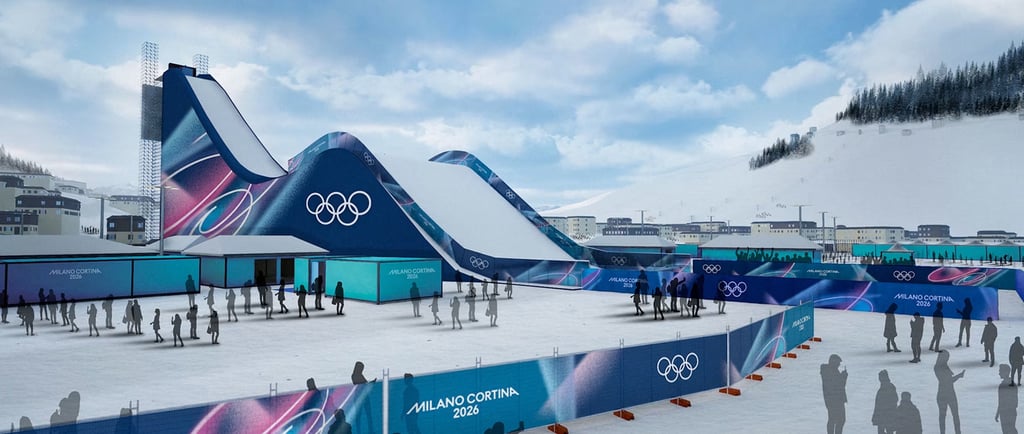
Introduction to the 2026 Winter Olympics
The 2026 Winter Olympics, officially known as the XXV Olympic Winter Games, is set to take place in the charming locales of Milan and Cortina d'Ampezzo, Italy. This prestigious international sporting event is scheduled to occur from February 6 to February 22, 2026. The selection of Milan and Cortina d'Ampezzo as the host cities marks a significant moment, as it will be the first time that the Winter Games will be co-hosted by two cities, showcasing Italy's rich sporting heritage and picturesque landscapes.
Visitors and athletes alike can look forward to a wide array of thrilling winter sports competitions, ranging from traditional events such as skiing and snowboarding to newer disciplines gaining popularity on the global stage. A total of 15 sports, further encompassing more than 80 events, will be featured during these Olympic Games. Among the anticipated highlights are Alpine skiing, figure skating, ice hockey, and the exhilarating mixed team events that will be debuting this edition.
The 2026 Winter Olympics promises to be an exciting occasion not only for sports enthusiasts but also for cultural exchanges, as it will provide a platform for athletes worldwide to showcase their skills and foster international camaraderie. The Italian organizing committee is dedicated to ensuring a sustainable and memorable experience for participants and spectators alike, emphasizing eco-friendly practices and community involvement throughout the event. Overall, the upcoming Winter Olympics hold exciting prospects, marking a significant milestone in the world of winter sports.
Highlight of the 2026 Winter Olympics: The Most Anticipated Event
The 2026 Winter Olympics, set to be hosted in Milan and Cortina d'Ampezzo, is already generating substantial excitement, especially surrounding the Alpine Skiing events. Historically, Alpine Skiing has captivated audiences with its unique blend of speed, technical skill, and the breathtaking expeditions of elite athletes as they navigate challenging terrains. These attributes make Alpine Skiing the most anticipated event at the upcoming Games. With previous exhibitions showcasing record-breaking performances and extraordinary displays of athletic prowess, expectations are riding high.
This year, attention will be particularly focused on several star athletes who have proven their mettle in past competitions. For instance, Italian skier Sofia Goggia, who secured gold in the downhill at the last Winter Olympics, has become a household name and a symbol of national pride. Her remarkable journey and unparalleled skill set her up as an athlete to watch. Goggia’s fierce competitive spirit and relentless pursuit of excellence have propelled her to the forefront, making her participation eagerly awaited by fans and media alike.
The narrative around Alpine Skiing at the 2026 Winter Olympics further intensifies due to the unyielding rivalry among competitors. Athletes such as Mikaela Shiffrin, who has dominated the slalom and giant slalom disciplines, are also anticipated to deliver outstanding performances. The convergence of these elite athletes brings an electrifying atmosphere, drawing global attention and media coverage. In addition, the stunning backdrop of the Italian Alps is sure to add visual appeal to the event, enhancing its allure for spectators, both on-site and those watching from afar.
Factors Influencing Event Popularity
The popularity of specific events in the Winter Olympics can be attributed to a variety of factors that collectively shape audience interest and engagement. These elements include media coverage, the prominence of athletes, historical significance, and the overall spectator experience.
Firstly, media coverage plays a crucial role in enhancing the visibility of particular events. Television networks and digital platforms invest significantly in broadcasting major competitions, which not only informs potential viewers but also shapes public perception. Events that receive extensive coverage can generate heightened interest and draw larger audiences, often determining which sports are deemed more exciting or prestigious. For example, events like figure skating and alpine skiing often dominate media narratives, leading to increased attention and viewership.
Secondly, the fame and skill of individual athletes can greatly influence the popularity of specific events. Star athletes have the ability to attract fans, creating a compelling narrative around competitions. When high-profile athletes compete, they draw in audiences who may not typically follow the sport, thus expanding the viewer base. Additionally, these athletes often act as brand ambassadors for their sports, further increasing their visibility and popularity.
Moreover, historical significance contributes to event allure. Sports with rich traditions or past Olympic triumphs often captivate audiences. Viewer interest is amplified when spectators are reminded of record-breaking performances or the dramatic stories of previous Games. Finally, the engagement level of the audience during events, whether through live attendees or digital interactions, also shapes their popularity. Events that foster interaction, such as snowboarding or freestyle skiing, often engage young audiences seeking action and excitement.
Altogether, these factors intertwine to create a dynamic landscape of event popularity at the Winter Olympics, highlighting why certain competitions resonate more with both audiences and media alike.
The Least Anticipated Event of the Winter Olympics
As the 2026 Winter Olympics approach, fans are beginning to speculate about which events will capture their interest the most. While traditional powerhouses such as alpine skiing and figure skating draw large audiences, there are certain competitions that seem to attract significantly less enthusiasm. One such event that is often overlooked is the biathlon. Despite its complex combination of cross-country skiing and rifle shooting, the biathlon has not garnered the same level of excitement as other, more popular events.
Several factors contribute to the lukewarm anticipation surrounding the biathlon. Primarily, biathlon lacks the star-studded profile typical of other winter sports. Unlike renowned athletes in figure skating or snowboarding, the biathlon competitors often remain in relative obscurity, resulting in limited media attention. This lack of prominent athletes failing to capture public attention often correlates with diminished enthusiasm among prospective viewers.
Another significant reason for the biathlon's reduced visibility stems from competition scheduling. Many fans express interest in events that occur in prime time or coincide with other major sports. This timing issue can result in the biathlon competing for an audience with more glamorous events, thus contributing to its lesser appeal. Furthermore, an overarching trend viewing the biathlon as less exciting than more dynamic sports may deter viewers from tuning in.
Overall, while the biathlon may possess unique elements that appeal to niche audiences, the lack of visibility through media and star athletes has positioned it as the least anticipated event in the upcoming Winter Olympics. Fans and analysts alike may find it difficult to generate the same level of excitement for this event as they would for others that promise high drama and visible athletic prowess.
Comparative Analysis of Popular and Unpopular Events
The 2026 Winter Olympics are expected to showcase a wide range of sports, some of which have historically garnered significant attention while others have remained under the radar. Popular events such as skiing, snowboarding, and figure skating typically captivate large audiences due to their thrilling nature and the athletes’ impressive performances. This popularity is driven by the years of tradition associated with these sports, along with the dramatic elements of competition that they embody. For instance, figure skating combines artistry with athleticism, making it appealing to both sports enthusiasts and casual viewers, thus establishing a broad demographic base.
Conversely, some lesser-known events such as biathlon or skeleton often struggle to attract the same level of viewership. These sports, while challenging and compelling, may not resonate with audiences to the same extent as their more popular counterparts. The complexity of the events and the less familiar formats often contribute to lower engagement rates. Viewership demographics vary substantially, with younger audiences gravitating towards extreme sports like freestyle skiing, while older viewers might prefer the elegance of traditional events. Consequently, the demographics of each event reflect not only cultural interests but also demographic shifts within the sports community.
The impact of these variations is notable; popular sports tend to receive more funding, better media coverage, and greater sponsorship opportunities, enhancing their visibility and likelihood of continued success. On the other hand, unpopular events may struggle for attention, impacting their long-term sustainability. This analysis highlights the importance of audience engagement strategies that might elevate lesser-known events to achieve greater recognition. By fostering an inclusive approach to showcasing all Olympic sports, the organizers of the 2026 Winter Olympics can ensure a balanced representation and potentially elevate the profile of less popular events.
The Role of Social Media in Shaping Event Interest
The influence of social media on the perception and popularity of sporting events, notably the Winter Olympics, has become increasingly significant in recent years. Platforms such as Twitter, Instagram, and Facebook serve as critical channels for disseminating information and shaping public interest. With the upcoming 2026 Winter Olympics, social media is expected to play a pivotal role in how fans engage with the events, athletes, and the Olympic spirit.
Leading up to the Olympics, social media campaigns can greatly enhance interest and excitement. Influential athletes and teams often leverage these platforms to share training routines, personal stories, and behind-the-scenes glimpses, fostering a sense of connection with fans. This connection not only raises awareness but also cultivates a dedicated following, which can, in turn, boost attendance and viewership during the games. The trending topics associated with these athletes can capture the public's imagination, amplifying anticipation leading up to the Olympics.
Moreover, social media offers a space for discussions and commentary around Olympic events, allowing for an exchange of perspectives and insights. The interactive nature of these platforms encourages fans to share their opinions and reactions in real-time. Additionally, through the sharing of user-generated content, social media expands the reach of Olympic-related discussions, which tends to generate further interest in the events. Conversely, unfavorable coverage or negative discussions can detract from the excitement surrounding certain competitions or athletes.
In a digital age characterized by fast-paced information flow, the role of social media in shaping public perception and interest cannot be overstated. As the 2026 Winter Olympics approach, keeping a pulse on social media trends will be essential for both organizers and fans to fully capitalize on the enthusiasm surrounding these prestigious events.
Conclusion: Looking Forward to the 2026 Winter Olympics
As we prepare for the 2026 Winter Olympics, anticipation is building for what promises to be an exhilarating display of athleticism and spirit. The Winter Olympics celebrate not only the athletes who dedicate their lives to their sport but also the camaraderie and global unity that these games epitomize. With a diverse range of events set to take place across stunning venues, it is essential for fans and newcomers alike to engage with both iconic competitions and emerging sports that may not always receive the spotlight.
Throughout this blog post, we’ve explored the key elements that make the Winter Olympics a unique and electrifying experience, highlighting the significance of venues, emerging sports, and the athletes who will capture our hearts and imaginations. From breathtaking skiing events to the finesse of figure skating, each discipline offers something special for everyone to appreciate. It is crucial to recognize not only the mainstream popular events but also to venture into the lesser-known competitions that might surprise and inspire viewers.
As the countdown to the 2026 Winter Olympics draws closer, we encourage you to immerse yourself in the journey of these remarkable athletes whose hard work and determination are bound to shine through in their performances. This is an opportunity to celebrate not just competition, but also sportsmanship, resilience, and the shared human experience. Whether planning to attend in person or cheering from home, there is much to look forward to as the Winter Olympics prepare to captivate the world once more. Join us in following along and supporting our athletes as they embark on this monumental occasion in the realm of sports.