Giving YOU THE RAW STORIES AND ALL THE BEHIND THE SCENES ACTION

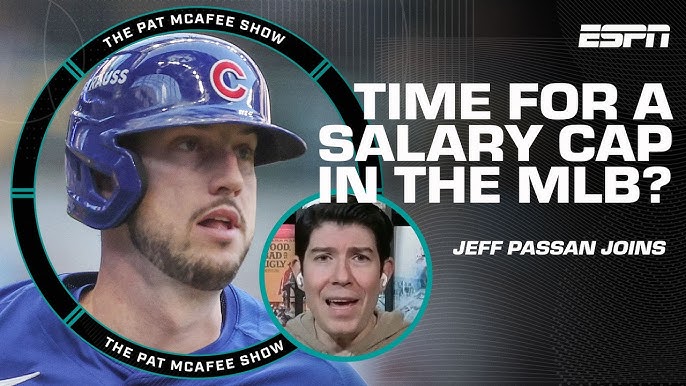
Should Baseball Have a Salary Cap Like Other Major Sports?
MLB
Glenn Spillman
1/19/20268 min read
Introduction to the Salary Cap Debate in Baseball
The concept of a salary cap in professional sports refers to a restriction on the amount of money that a team can spend on player salaries within a specific time frame. This system aims to promote competitive balance among teams, ensuring that richer franchises do not monopolize talent by excessively outspending their lesser-resourced counterparts. The implementation of salary caps has been notably successful in leagues such as the National Football League (NFL), the National Basketball Association (NBA), and the National Hockey League (NHL), where it has contributed to their competitive structure and overall parity.
In recent years, the debate surrounding the potential introduction of a salary cap in Major League Baseball (MLB) has gained traction. Advocates for a salary cap argue that it could level the playing field and dispel the existing disparities in team payrolls. Currently, MLB operates under a luxury tax system designed to manage high payrolls, but this system has drawn criticism for being ineffective in achieving true competitive balance.
Former MLB commissioner Bud Selig was an influential figure in this ongoing conversation, vigorously defending the league's current financial model while acknowledging the economic challenges posed by large market teams. Despite Selig's resistance to the imposition of a formal salary cap, the disparities in financial capabilities among franchises continue to fuel the argument for reform. As some teams struggle to compete against the financial might of others, the discussion surrounding the merits and drawbacks of a salary cap remains a contentious issue within the sports community.
With the spotlight on economic equality and competitive integrity, this blog post aims to delve deeper into the salary cap debate concerning MLB and assess its implications for the future of baseball.
The Benefits of a Salary Cap
Implementing a salary cap in Major League Baseball (MLB) could provide several advantages that foster a more equitable playing field among teams. A primary benefit of a salary cap is the promotion of competitive balance. By limiting the amount of money that teams can spend on player salaries, smaller-market franchises are afforded a greater chance to succeed. This structural change aims to neutralize the financial power that wealthier teams wield, which allows them to attract and retain top talent without financial constraints. Consequently, a more level playing field can emerge, enabling a wider array of teams to contend for playoff berths.
Additionally, a salary cap may mitigate the potential for talent monopolization by the richest teams. Athletes are often drawn to teams with lucrative contracts, typically the larger-market teams, creating a disparity that can stifle competition. By instituting a cap, the league could discourage an environment where a handful of teams consistently dominate, ultimately benefiting the integrity of the sport and keeping fans engaged.
Smaller-market teams are likely to experience significant financial advantages in a salary cap scenario. With controlled spending, these teams could allocate resources more judiciously, invest in player development, and secure fan support by becoming competitive. As teams in less populous areas gain the opportunity to excel, local fan engagement is expected to flourish. This enthusiasm not only boosts attendance at games but also enriches the broader baseball community, fostering loyalty that transcends the on-field performance.
In conclusion, the implementation of a salary cap in MLB could yield multifaceted benefits, including enhanced competitive balance, reduced monopolization of talent by affluent teams, financial relief for smaller-market franchises, and heightened fan engagement across the league.
Critics of the Salary Cap Proposal
The notion of imposing a salary cap in Major League Baseball (MLB) has sparked substantial debate among fans, analysts, and players alike. One of the primary criticisms hinges on the traditional nature of baseball, which has long prided itself on its historical precedence and unique structure. Unlike other major sports leagues, baseball has developed an identity rooted in its past, characterized by an emphasis on free agency and players' rights. Many critics argue that a salary cap would fundamentally alter this fabric, reducing the sport to a model more closely resembling the National Football League or National Basketball Association, which fundamentally differ in their economic and competitive dynamics.
Another significant concern involves the potential impact on player salaries. The introduction of a salary cap might lead to reduced earnings for players, particularly for the highly skilled individuals who command large contracts. Critics maintain that a salary cap could lead to more homogenized player salaries, undermining the incentive for athletes to strive for excellence and potentially stifling their individual market value. This notion is particularly alarming in a sport that has a longstanding commitment to rewarding its top talent. Given that many players view free agency as a crucial aspect of their career trajectory, the envisioned salary cap may inadvertently restrict their opportunities to negotiate for lucrative contracts.
The complexities entailed in restructuring existing contracts further complicate the salary cap proposal. Many contracts in MLB are predicated on the notion of free-spending teams and deep-pocketed owners. The introduction of a salary cap would require a significant overhaul of these agreements, leading to potential legal disputes and player dissatisfaction. Additionally, the history of labor relations in baseball—marked by pivotal strikes and negotiations—creates a landscape fraught with tension, indicating that any change in this direction could have ripple effects on the relations between players and management. The intricacies of these considerations illustrate why implementing a salary cap in baseball remains a contentious proposition amidst its unique economic and social framework.
Examining Successful Salary Cap Models in Other Sports
Salary caps have been integral to the financial health and competitive balance in several major sports leagues, such as the National Football League (NFL), National Basketball Association (NBA), and National Hockey League (NHL). Each of these leagues employs different salary cap systems, showcasing a variety of approaches to managing team expenditures on player contracts.
The NFL operates with a hard salary cap, which means that there is a strict upper limit on how much a team can spend on player salaries in a given season. This model promotes parity among teams, as all franchises must adhere to the same salary restrictions. As a result, smaller market teams have the potential to compete effectively against larger market counterparts, exemplified by teams like the New England Patriots, which have managed to find success despite the competitive landscape of the league.
In contrast, the NBA utilizes a soft salary cap system that allows teams to exceed the cap under certain conditions, such as signing their own players or accommodating various exceptions. This framework enables franchises with larger revenue streams to attract and retain star players, fostering a league structure where multiple superstars can coalesce into ‘super teams’. However, this has also led to criticism regarding increased disparity, as well as a less competitive balance overall. The Golden State Warriors' rise to dominance during the 2010s serves as a prime illustration of how this model can favor wealthier institutions.
Meanwhile, the NHL's salary cap mechanism combines aspects of both hard and soft cap systems. With a hard cap in place, the NHL maintains a level playing field, yet certain exceptions and provisions allow teams some flexibility. The league's model has been effective in promoting competitive equity, producing a diverse range of playoff contenders each season, and culminating in unpredictable outcomes such as the underdog Washington Capitals' triumph in 2018.
In conclusion, each salary cap model has its unique benefits and challenges, influencing the competitive dynamics within respective leagues. By examining these systems, a potential salary cap for Major League Baseball could draw essential insights from their experiences to achieve greater balance and financial sustainability.
Impact on Player Salaries and Free Agency
The introduction of a salary cap in Major League Baseball (MLB) would significantly alter player salaries and the dynamics of free agency. Currently, player salaries are largely determined by market forces, leading to substantial discrepancies among players at various levels. A salary cap could level the playing field by establishing a maximum limit on team payrolls, potentially compressing the average salaries of top-tier players while increasing compensation for those at the lower end of the spectrum.
With a salary cap in place, the concept of a wage floor might also emerge, ensuring that all players receive a minimum level of compensation. This could promote greater equity within the league, as lower-tier players would be compensated more fairly relative to their contributions. In the absence of a cap, marquee players often command exorbitant salaries that can exceed the combined earnings of entire rosters in less affluent markets. A capped environment may spur teams to allocate resources more strategically, leading to increased investment in player development and retention.
Free agency dynamics would also be affected by such changes. If salaries are capped, the free-agent market may experience fluctuations in how clubs approach building their rosters. Teams with strong financial capabilities would no longer enjoy an exclusive advantage in attracting high-profile free agents, as the cap limits their spending power. Meanwhile, smaller-market teams might find it easier to retain talent and sign top players, enhancing competitive balance across the league.
Both players' unions and individual players may have mixed reactions to a transition towards a salary cap. While some may appreciate the predictability and fairness a cap could offer, others might resist, fearing it would limit their earning potential. Hence, the discussions surrounding a salary cap must consider the diverse perspectives of all stakeholders involved in the game.
Fan Reaction and Public Opinion
The discussion surrounding the potential implementation of a salary cap in Major League Baseball (MLB) has garnered mixed reactions from fans over the years. Historically, the sentiment among baseball supporters has been largely divided, with some advocating for a salary cap to promote parity among teams, while others oppose such measures citing the traditional nature of the game. Fans often express their views on social media platforms, with discussions erupting around issues of fairness, competitiveness, and the financial dynamics of the sport.
In recent years, a growing number of fans have voiced their support for a salary cap. Many believe that it could lead to a more balanced league, where smaller market teams would have a better chance of competing for championships against larger market franchises. Polls conducted on various sports websites indicate that a significant portion of the fan base feels a salary cap could help mitigate the financial disparities that currently exist in MLB. The notion is that a salary cap could enhance the overall enjoyment of the game through more competitive matchups.
Moreover, expert opinions contribute to the dialogue on this issue. Sports analysts often suggest that the lack of a salary cap allows wealthy franchises to dominate, which can lead to diminished fan interest in less competitive teams. With social media facilitating instantaneous feedback, fans are able to engage in debates and express their opinions more vocally than before, further amplifying the calls for reform. The online discourse frequently features arguments both in favor of a salary cap and against it, reflecting the diverse opinions within the fan community.
As the conversation continues to evolve, it remains clear that public opinion is a vital element in determining the future of salary discussions in baseball. Understanding these sentiments is crucial for league officials and team owners as they consider the potential advantages and disadvantages that such a policy change could entail.
Conclusion: The Future of Baseball and the Salary Cap Debate
The discussion surrounding the implementation of a salary cap in Major League Baseball (MLB) remains a highly contentious issue. Throughout this blog post, we have examined the potential advantages and disadvantages of introducing a salary cap akin to those found in other major sports leagues. One compelling argument for such a system is the promotion of competitive balance, which could lead to a more level playing field and increased unpredictability within the league. Teams in smaller markets often struggle to attract and retain top talent due to financial constraints, and a salary cap could mitigate these disparities.
However, there are also significant concerns regarding the possible negative implications of a salary cap for the traditional structure of baseball. Many fans and stakeholders value the historical significance and uniqueness of the sport, which has flourished without a salary cap for over a century. Critics argue that capping salaries could undermine the financial freedom of franchises and limit their ability to invest in players, ultimately affecting the overall quality of the game. The rich history of baseball is deeply intertwined with its economic model, and any changes to this model could fundamentally alter the sport itself.
As the debate continues, it is evident that the future of baseball lies in finding a balance between competitive fairness and preserving the legacy of the game. The decision on whether to implement a salary cap will depend on various factors, including the willingness of team owners, players, and fans to adapt to an evolving economic landscape. The future could hold significant transformations in MLB, impacting how franchises operate, compete, and engage with audiences. Ultimately, whether a salary cap could be beneficial or detrimental will resonate through the very fabric of baseball, and its resolution will undoubtedly shape the sport for generations to come.