Giving YOU THE RAW STORIES AND ALL THE BEHIND THE SCENES ACTION

The Evolution of Cricket: From a Game to a Global Phenomenon
CRICKET
Glenn Spillman
1/16/20268 min read
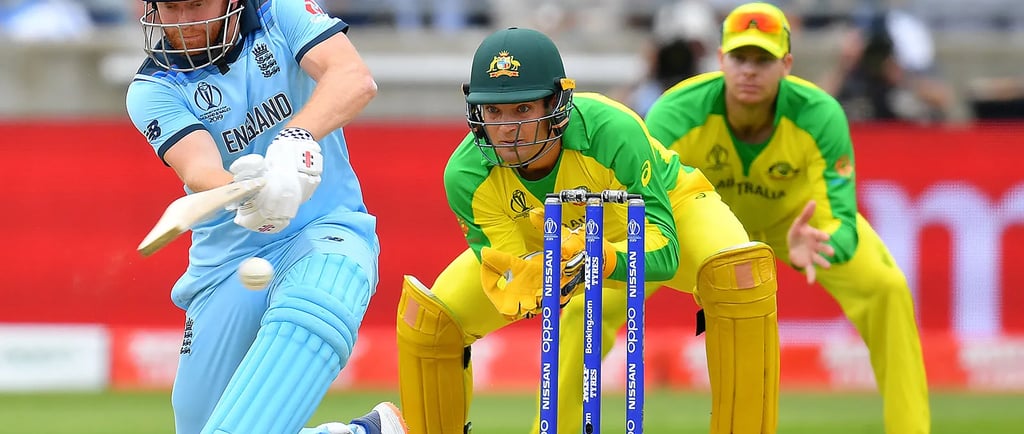
The Origins of Cricket
The origins of cricket can be traced back to 16th-century England, a time when multiple games involving bats and balls existed in various forms across the country. Historical records suggest that the game began in the southeastern counties, specifically in Sussex, where some of the earliest mentions of cricket were documented. The game was played in open fields, using crude equipment that was far from the sophisticated gear seen in modern cricket today.
In its initial stages, cricket featured several variants, each played with different rules and on varying pitches. The early format typically involved a bat made from a wooden plank and a ball fashioned from a leather casing stuffed with wool or similar materials. The objective of the game was relatively straightforward: players aimed to hit the ball and score runs by running between designated points, though the specific rules were not standardized.
As time progressed, the game began to evolve, with changes in rules reflecting the social and cultural dynamics of the era. The 17th century witnessed an increased interest in cricket, particularly among the English gentry, who recognized it as a form of entertainment and a way to demonstrate their social status. This shift marked the transition of cricket from a rustic pastime to a more organized sport. By the end of the 17th century, formalized rules began to emerge, and the first recorded match was held in 1697, which signaled the beginning of competitive cricket.
The emergence of cricket during this period not only contributed to the game's development but also mirrored the societal structures of England. The sport became intertwined with the nation’s cultural identity, paving the way for its transformation into a significant global phenomenon in the years to come.
Cricket Through the Ages: A Historical Overview
The origins of cricket can be traced back to the 16th century in England, where it began as a children’s game. The first documented reference to cricket appeared in 1598, showcasing its early establishment in popular culture. By the 18th century, the game gained prominence, evolving into an organized sport, particularly in the southeastern counties of England. Significant developments during this period included the founding of the Marylebone Cricket Club (MCC) in 1787, which played a crucial role in codifying the laws of cricket.
As the 19th century progressed, cricket began to capture the interest of the public on a larger scale. The first recorded international match took place in 1844, a landmark event that pitted teams from the United States and Canada against each other. This event highlighted cricket's growing appeal beyond England, illustrating its potential as an international sport. Following this, the establishment of Test cricket in 1877 marked another pivotal moment in the game’s history. The inaugural Test match was played between Australia and England at the Melbourne Cricket Ground, thus beginning a revered tradition that persists to this day.
The evolution of cricket continued into the 20th century with the introduction of limited-overs formats, most notably One Day Internationals in 1975. This change catered to a broader audience and increased the game's accessibility. The late 20th century saw the advent of Twenty20 cricket, further revolutionizing the sport and attracting younger fans. Today, cricket is not merely a game but a global phenomenon, with international tournaments drawing millions of viewers and fostering a sense of unity among diverse cultures. The transformation from a local pastime to a ubiquitous presence in the global sports arena reflects cricket’s remarkable evolution through the ages.
The Growth of Cricket as a Global Sport
Cricket, once primarily associated with England, has evolved into a global sport that boasts a diverse following across continents. The expansion of cricket can be traced back to the British colonial era, which facilitated the introduction of the game to various regions, particularly in parts of Asia, Africa, and the Caribbean. During the 19th and early 20th centuries, British administrators and soldiers often played cricket in their colonies, effectively planting the seeds of the sport in these territories.
As a result of this colonial influence, several countries began to adopt cricket as a cultural and sporting practice. Countries such as India, Pakistan, South Africa, and Australia embraced cricket, often viewing it as a means of fostering national pride and unity. The establishment of national cricket boards in these nations further solidified the sport's position, allowing for organized play and the promulgation of cricketing standards influenced by the English system.
The role of international tournaments, particularly the Cricket World Cup, cannot be overstated in the globalization of the sport. Initiated in 1975, the Cricket World Cup created a platform for countries around the world to compete at the highest level, thereby enhancing cricket's visibility and appeal. Other competitions, such as the Twenty20 World Cup and regional tournaments, have since emerged, contributing to the sport's growth and popularity.
In modern times, cricket has transcended its colonial origins, becoming a significant aspect of culture and entertainment in countries with large populations and rich histories of the sport. The rise of advanced broadcasting technologies and social media has further bolstered cricket's global presence, enabling fans from different backgrounds to engage with the game in innovative ways. This expansion illustrates how cricket has transformed into more than just a sport; it has become a global phenomenon, celebrating diversity and uniting fans across borders.
Cricketing Cultures: The Game as a Cultural Phenomenon
Cricket transcends the realm of mere sport; it embodies cultural significance across various regions, particularly in countries like India, Australia, and the Caribbean. In India, cricket is not just a game but a deeply rooted aspect of national identity. The fervor surrounding cricket matches is palpable, as millions gather to celebrate their teams, transcending socio-economic barriers. The sport serves as a focal point for unity, inducing a collective spirit that unites people from diverse backgrounds. Festivals like Diwali see streets adorned with cricket paraphernalia, illustrating how the sport is intertwined with local customs and traditions.
In Australia, cricket carries with it a spirit of camaraderie and pride, often associated with the concept of the ‘Aussie spirit’. The country’s cricketing lore is rich with tales of legendary matches that not only defy sporting conventions but also play a significant role in shaping the nation’s identity. The Ashes series, in particular, showcases the competitive spirit of Australian cricket and has become a symbol of national pride. Local clubs and community matches further cultivate a sense of belonging among citizens, thus reinforcing cricket's role in social interactions.
Similarly, in the Caribbean, cricket functions as a cultural touchstone, influencing everything from music to local governance. The game is often seen as a representation of post-colonial identity, where Caribbean players ascend to global stages, showcasing their heritage. Dancehall and reggae music often celebrate cricketing feats, infusing national pride into the cultural fabric. Overall, the sport emerges as a catalyst for social change, instilling hope and fostering a sense of community in regions where challenges persist.
The Evolution of Cricket Formats
Cricket has undergone significant transformations since its inception, evolving through various formats that cater to diverse audiences and enhance the game's appeal. The three primary formats of cricket—Test matches, One Day Internationals (ODIs), and Twenty20—exemplify how the sport has adapted over time.
Test cricket, the oldest format, stretches over five days and showcases the true spirit of the game. This traditional format emphasizes strategy, endurance, and skill, allowing players ample time to adapt to changing conditions. With two innings per team and the possibility of a draw, Test cricket is revered for its depth and complexity, representing the zenith of cricketing excellence. It fosters not only individual performances but also teamwork, as players must collaborate over extended periods.
The introduction of One Day Internationals (ODIs) in the late 1960s marked a significant departure from traditional cricket. Lasting approximately eight hours, ODIs consist of 50 overs per side, combining excitement with a competitive edge. This format has become immensely popular, offering a balance between the strategic gameplay of Test matches and the fast-paced nature of shorter formats. The Cricket World Cup, launched in 1975, has further cemented the ODI format's status as a marquee event, drawing viewership from millions around the globe.
Finally, the advent of Twenty20 cricket in the early 21st century revolutionized the game, attracting new fans with its brisk pace and entertainment value. Lasting three hours, this format consists of 20 overs per side, emphasizing power hitting and aggressive tactics. The rise of domestic T20 leagues worldwide has given rise to a new breed of cricketer, altering the landscape of player selection and development while also providing a platform for innovation.
Each of these formats has significantly influenced how cricket is played and consumed, appealing to varied audiences and evolving the sport into a global phenomenon.
The Impact of Technology and Media on Cricket
The landscape of cricket has undergone significant transformations thanks to advancements in technology and media, reshaping the way fans engage with the sport. Over the years, the introduction of sophisticated analytics has enhanced the playing strategies of teams and players alike. Data-driven decision-making now governs various aspects of the game, from player performance analysis to opposition scouting. This utilization of big data not only makes the sport more competitive but also elevates the viewers’ understanding and appreciation of the game.
Broadcast innovations, such as high-definition cameras, drone technology, and ultra-slow-motion replays, have revolutionized how matches are produced and consumed. Fans can now enjoy an immersive experience during live matches, capturing every crucial moment with unparalleled clarity. The development of various broadcasting platforms, including live streaming services, has further broadened access to cricket, enabling fans from around the globe to follow their favorite teams and tournaments in real-time, irrespective of geographical boundaries.
Moreover, the rise of social media has played a pivotal role in popularizing cricket, allowing fans to connect with players and engage in conversations surrounding matches. Social media platforms serve as channels for instant updates, highlights, and behind-the-scenes content, fostering a sense of community among cricket enthusiasts. Additionally, stakeholders in the sport leverage these platforms to promote upcoming events, enhancing fan engagement and drawing in new audiences.
The collective impact of technology and media is undeniable; it has not only transformed the viewing experience but has also contributed to cricket evolving from a regional pastime into a global phenomenon. As the sport continues to adapt, it will be fascinating to observe how technological advancements further shape cricket’s future.
The Future of Cricket: Challenges and Opportunities
The future of cricket is positioned at a crucial intersection of tradition and modernization, presenting both challenges and opportunities that will shape the sport in the coming years. As cricket evolves into a global phenomenon, maintaining its foundational values alongside increasing commercialization is a significant challenge. Players and fans alike have expressed concerns that the sport's rich heritage may be overshadowed by the allure of profit-driven initiatives.
One of the main challenges facing cricket today is player burnout, exacerbated by a demanding schedule comprising international matches and lucrative domestic leagues. This situation raises questions about player welfare and the sustainability of a tournament-heavy calendar, which often leaves athletes with little time for recovery and personal life. Governing bodies must reconsider match schedules and invest in wellness programs to ensure players can perform optimally without compromising their mental and physical health.
Conversely, there are numerous opportunities for cricket to expand its reach, particularly in emerging markets. Countries such as the United States, China, and various nations in Africa demonstrate substantial potential for growth in cricket's popularity. By fostering grassroots initiatives and establishing professional leagues in these regions, cricket can tap into vast new audiences and fan bases. Moreover, the advent of technology and digital platforms has revolutionized fan engagement. Innovations such as virtual reality, data analytics, and enhanced broadcasting experiences can create immersive and interactive ways to connect with fans, thereby increasing the sport's global footprint.
As cricket prepares to navigate these complexities, collaboration among stakeholders—players, administrators, and fans—will be essential to ensuring a balanced approach. Effective communication about preserving traditional values while embracing change will play a critical role in the sport's evolution in the years to come.