Giving YOU THE RAW STORIES AND ALL THE BEHIND THE SCENES ACTION

The Departure of Mike Tomlin: A Shocking End to His Steelers Tenure
NFL
1/15/20268 min read
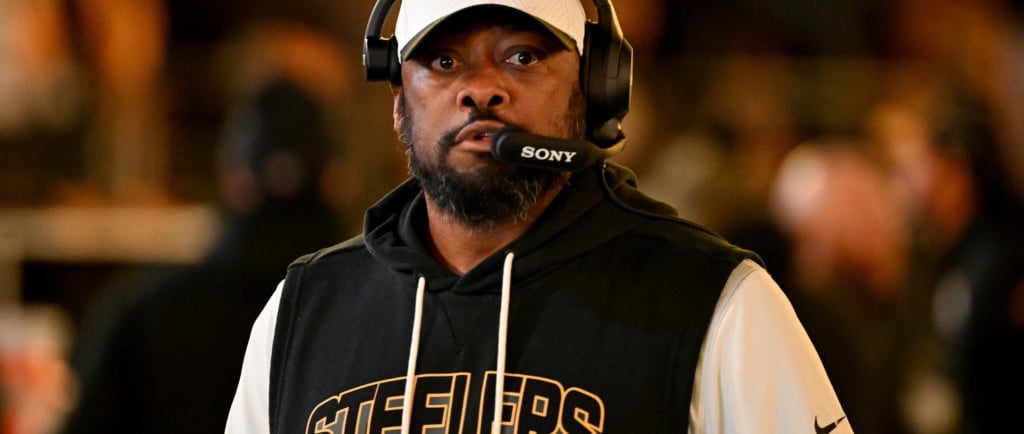
Introduction: The Unthinkable Departure
The recent announcement regarding Mike Tomlin's decision to step down as head coach of the Pittsburgh Steelers has sent shockwaves through the NFL community. Fans, players, and analysts alike have expressed disbelief over this unexpected turn of events. Tomlin, who has been at the helm of the Steelers for over 15 seasons, has led the team to numerous playoff appearances and a Super Bowl victory, earning respect and admiration across the league. His departure raises significant questions regarding the factors influencing this decision.
Initial reactions to the news have varied widely, with some fans mourning the end of an era while others speculate about potential reasons behind his resignation. Many players have taken to social media to express their surprise and gratitude for Tomlin's leadership, emphasizing the strong bond he cultivated within the locker room. Analysts have begun dissecting the impact of his departure on the team's future, discussing possibilities for the upcoming season as well as the legacy he leaves behind.
Central to this discourse is the paramount question of whether Tomlin made this choice independently or if external pressures played a role in his decision. Speculation surrounds potential influences from organizational dynamics, performance expectations, and the evolving landscape of professional football. As the situation unfolds, the narrative surrounding Tomlin’s exit will undoubtedly shape the Steelers’ immediate plans and long-term strategies. Understanding these complexities will be essential for fans and supporters as they come to terms with the coaching shift that marks a new chapter in the franchise’s storied history.
A Legacy of Leadership: Mike Tomlin’s Impact on the Steelers
Mike Tomlin's tenure as the head coach of the Pittsburgh Steelers is marked by a remarkable blend of achievements, resilience, and a distinct coaching philosophy that has left an indelible mark on the franchise. Appointed to the position in 2007, Tomlin became the youngest head coach to win a Super Bowl, leading the Steelers to victory in Super Bowl XLIII just two years later. This victory not only solidified his role within the organization but also sparked a new era of success for the team.
Tomlin's leadership style emphasizes accountability and discipline, fostering a culture where players are encouraged to excel both on and off the field. His approach has been defined by a commitment to hard work, allowing him to navigate the challenges of a highly competitive sports environment. The Steelers under Tomlin consistently demonstrated impressive performance, achieving eight playoff appearances and two more Super Bowl berths in a decade and a half. Statistically, he stands among the elite coaches in NFL history, boasting a winning percentage above 60%.
One of the transformative moments in Tomlin's coaching career was the ability to rally his players in times of adversity. Whether it was managing injuries to key players or dealing with off-field controversies, Tomlin maintained a focus on unity and resilience. A memorable example is the 2016 season, where the Steelers overcame a mid-point slump to reach the AFC Championship Game. Tomlin's adept handling of such situations not only showcased his strategic prowess but also solidified the unwavering trust his players held in him.
The legacy of Mike Tomlin is not solely rooted in statistics and accolades; it is also reflected in the way he has shaped the culture of the Pittsburgh Steelers. His influence on the team's identity and values has paved the way for future coaches and players, cementing his role as a pivotal figure in the franchise's rich history.
The Fallout: Initial Reactions and Speculations
The announcement of Mike Tomlin's departure marked a significant turning point for the Pittsburgh Steelers franchise. His unexpected exit reverberated throughout the football community, eliciting a wide array of immediate reactions from current and former players, fans, and the organization itself. Social media platforms became a hotbed for speculation and emotional responses, echoing the shock experienced by many stakeholders within the Steelers' fan base.
Current players expressed their disbelief and sadness via social media posts, conveying the profound impact Tomlin had on their careers and lives. Many highlighted his leadership qualities, emphasizing that his presence had been a pivotal factor in the team's culture and success. Former players also took to various platforms to share their memories, underscoring the role Tomlin played in their development and the legacy he leaves behind.
Fans, who had rallied behind Tomlin during his tenure, were quick to express their opinions. While some showed support for the decision, believing it was time for a change, others lamented the end of an era and questioned the motives behind the sudden departure. The Twitter and Facebook feeds were awash with commentary, ranging from gratitude for Tomlin's accomplishments to speculation regarding his reasons for leaving, including rumored differences with management or a desire for new challenges.
The Pittsburgh Steelers organization, known for its tradition and stability, has yet to publicly comment in detail on the situation. However, insiders suggest that internal discussions have begun about the future direction of the team and potential candidates to fill the void left by Tomlin's departure. In the days following the announcement, the media is likely to continue scrutinizing the implications of this decision for both Tomlin and the Steelers as a franchise.
Was It His Decision? Analyzing Tomlin’s Perspective
Mike Tomlin’s departure from the Pittsburgh Steelers has left fans and analysts alike speculating about the factors that led to this surprising decision. Central to this discussion is the consideration of whether Tomlin himself initiated this departure or if external pressures prompted it. During various interviews leading up to his departure, Tomlin expressed both pride in the team's achievements and acknowledgment of the struggles faced in recent seasons. His eloquent responses often hinted at a deep reflection regarding his coaching career and the evolving landscape of the NFL.
A notable aspect to consider is Tomlin’s steadfast commitment to the Steelers organization over the years. His history with the team has been one of loyalty and resilience, evidenced by a coaching tenure that spans more than a decade. Despite setbacks—including disappointing seasons and playoff exits—Tomlin maintained a level of optimism while discussing his future. In numerous statements, he highlighted the importance of adaptation and growth, suggesting he was aware of the challenges that lay ahead.
As the Steelers have experienced fluctuating performance, it is conceivable that Tomlin’s relationship with the team transformed. The pressure of maintaining success, alongside the diminishing results, could have led Tomlin to contemplate a different path. Analyzing his recent comments, it becomes apparent that he may have consciously chosen to step away at this juncture, realizing that change could benefit both himself and the franchise. Regardless of the specifics of his decision-making process, the interplay between Tomlin’s views and the team's trajectory offers valuable insights into his mindset during this pivotal moment in his career.
External Pressures: Was He Forced Out?
The departure of Mike Tomlin from the Pittsburgh Steelers has raised significant questions regarding whether his exit was voluntary or a result of external pressures. Several factors may contribute to the argument that Tomlin's tenure ended due to pressures from management, ownership decisions, and heightened expectations from fans. In recent years, the Steelers have faced notable struggles, including a series of disappointing playoff appearances that may have further intensified the scrutiny around Tomlin's leadership.
First and foremost, the expectations set forth by upper management play a crucial role in the stability of a head coach's position. The Steelers have a longstanding reputation for excellence, and as a result, ownership may place great emphasis on performance outcomes. Tomlin, despite his successful history, may have found himself under significant pressure to deliver immediate results, especially in light of the team’s challenges in reclaiming its former glory. The burden of these expectations can, at times, create a tense atmosphere, one in which any indication of decline might prompt ownership to consider a change.
Moreover, the fanbase's passionate nature cannot be understated. Pittsburgh Steelers fans are known for their fierce loyalty and high expectations, which contribute to a culture of scrutinizing team performance relentlessly. This fervor can translate into external pressures that influence decisions made by management. When the fans express dissatisfaction, it often forces ownership to reevaluate their strategies, potentially leading to decisions that do not align with the coach’s vision or philosophy.
Ultimately, the culmination of management's expectations, repetitive playoff disappointments, and the fervent voices of the fanbase may have created a scenario where Tomlin's departure was perceived as inevitable. The challenges he faced, compounded by these external pressures, could have significantly impacted the team dynamics, indicating a potential disconnect between his objectives and those set by the ownership and fan community.
The Future of the Steelers: Implications of Tomlin’s Departure
The recent departure of Mike Tomlin from the Pittsburgh Steelers marks a significant turning point for the franchise. Tomlin, who served as head coach for over 15 years, was instrumental in fostering a winning culture and maintaining a level of consistency. His sudden exit prompts a reevaluation of the team's future and raises questions about the direction the organization will take moving forward.
In the wake of Tomlin's departure, the search for a new head coach is paramount. The Steelers will likely consider a variety of candidates, ranging from internal promotions to external hires. Potential internal candidates may include assistant coaches who have been groomed under Tomlin's guidance. External candidates could feature a mix of up-and-comers and veteran coaches with playoff experience. This crucial decision will shape the team’s philosophy, strategies, and ultimately, its competitiveness in the league.
Moreover, the leadership style of the new coach will likely influence team dynamics significantly. A change in coaching can reinvigorate the players, as new schemes and methodologies may provide opportunities for growth and development. However, it may also lead to a period of adjustment for both the players and coaching staff, as established routines and relationships are altered. The impact on player morale and performance cannot be understated; some players may thrive under a new system, while others may face challenges adapting.
Furthermore, the departure signals a shift in the franchise's approach. The Steelers have historically valued stability and continuity. Transitioning to a new coaching regime could require reassessing player roles, especially for veterans who thrived under Tomlin’s tenure. The organization must carefully navigate this transition, as its young talent and established players alike will be affected by the new coach’s vision and expectations.
Conclusion: Reflecting on a Monumental Change
The recent departure of Mike Tomlin from his position as head coach of the Pittsburgh Steelers marks a significant turning point for both the team and the broader NFL landscape. Having served the organization for over a decade, Tomlin's tenure has been characterized by a strong leadership style and a focus on resilience and performance, making his exit a notable event in the sports community. Tomlin's contributions to the Steelers are undeniable, not only in terms of his impressive win-loss record but also in shaping the team's culture and identity.
This change raises critical questions about the future direction of the Steelers organization. As the team begins the process of finding a new head coach, considerations surrounding leadership, strategy, and adaptability become paramount. Will the new coach embody the same values that Tomlin instilled, and how will the team transition under new management? Additionally, given the ever-evolving nature of NFL coaching dynamics, Tomlin's departure could shift the coaching landscape. This could influence the way teams perceive leadership roles, coaching philosophies, and the importance of stability within a franchise.
Moreover, it poses deeper inquiries for fans and analysts alike regarding the balance of tradition and innovation in sports leadership. How does an organization navigate change while maintaining its foundational principles? In what ways can emerging coaches bring fresh perspectives without disregarding what has historically made a franchise successful? As the NFL gears up for potential changes in coaching dynamics, these inquiries will undoubtedly shape discussions around the future of not only the Steelers but the league as a whole.