Giving YOU THE RAW STORIES AND ALL THE BEHIND THE SCENES ACTION

Breaking the Cycle: Understanding NFL Teams That Perpetually Struggle
NFL
Glenn Spillman
1/11/20268 min read
Introduction: The Dreadful Cycle of NFL Struggles
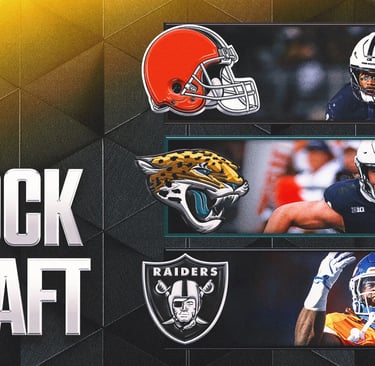
The National Football League (NFL) is home to teams that evoke a spectrum of emotions among their fan base. While some franchises soar to great heights, others seem mired in an unfortunate cycle of underperformance. Among these perennial underachievers are the Jacksonville Jaguars, Cleveland Browns, and Oakland Raiders. Each of these teams has garnered a reputation for their ongoing struggles, and they are often emblematic of the heartache faced by passionate followers.
For fans of dysfunctional franchises, the emotional rollercoaster is all too familiar. Each NFL season brings a renewed sense of hope, an almost infectious optimism that this year could be different. However, as games unfold and losses accumulate, that hope often gives way to frustration. The jubilant, pre-season predictions quickly transform into lamentations as yet another promising talent fails to yield results or as critical injuries derail game plans. This cycle can lead to a prolonged state of despair, wherein supporters cling to the remnants of their once-cherished dreams of glory.
Consider the Jacksonville Jaguars, who have shown fleeting moments of potential yet have not managed to establish sustained success in recent years. Similarly, the Cleveland Browns, despite a plethora of high draft picks and significant roster changes, have frequently found themselves at a loss, making fan support a test of endurance. The Oakland Raiders, a storied franchise, have also been caught in a web of inconsistency, battling perceived mismanagement and poor performance on the field.
This blog post will delve into the factors contributing to the cyclical struggles of these teams, highlighting the impact on their fan bases and the broader context within the NFL. By examining their narratives, we aim to shed light on the complexities of maintaining a competitive franchise in the challenging landscape of professional football.
Historical Context: Persistent Failures over Decades
The narrative of NFL teams enduring long periods of struggle is often steeped in history, characterized by a cycle of poor management decisions, frequent coaching changes, and insufficient player development. Certain franchises, once lauded for their potential, have grappled with persistent failures that span decades, solidifying their reputations as perennial underachievers.
To understand this context, we can focus on pivotal seasons and their outcomes. For instance, the Detroit Lions experienced a notable downturn in performance following their 1957 championship win. Despite moments of promise, management decisions, including a lack of investment in top-tier talent and ineffective coaching transitions, have contributed to an extensive history of disappointment. The team has yet to win another playoff game since the 1991 NFC Wild Card round, highlighting the enduring struggle.
Similarly, the Cleveland Browns showcase a history riddled with inconsistency and upheaval. Following their expulsion from the league in 1996, their re-establishment brought hope, yet administrative instability has resulted in multiple coaching changes and roster overhauls. The Browns have had 30 quarterbacks since 1999, reflecting the difficulty in finding stability and long-term success. The 2017 season, where they infamously went 0-16, epitomizes the nadir of their ongoing struggles.
The Oakland Raiders, another example, have experienced peaks and valleys since their inception. The team saw success in the 1970s and 1980s but has faced numerous identity crises and management missteps since their last Super Bowl appearance in 2002. With a fluctuating coaching staff and player roster, the Raiders continue to seek a stable path to revival.
Overall, the historical context of these NFL teams reveals a complex interplay of decisions that have perpetuated their struggles. Recognizing these patterns is vital in understanding the challenges they face and the potential pathways for change moving forward.
When examining NFL teams that consistently find themselves in a state of struggle, one cannot overlook the impact of poor management decisions made by executives and ownership. The actions—or lack thereof—taken by these individuals shape the fortunes of their franchises. A primary indicator of this failure is the inability to effectively navigate the complexities of player drafts. Many teams have repeatedly invested substantial resources in high draft picks, only to end up selecting players who do not meet expectations. These missteps are often attributed to a failure to conduct thorough scouting, evaluate character, or understand how a player will fit within the team’s existing structure.
In addition to questionable draft selections, bad trades further complicate a team's prospects. Deals that surrender valuable prospects or draft capital for underperforming players can set a franchise back for years. The ramifications of these trades often ripple through multiple seasons, leaving teams without the depth or talent necessary to compete effectively in the league. A poor track record in player acquisition can become a self-fulfilling prophecy, wherein teams accept mediocrity as a normal state of being.
Moreover, the choice of coaching staff plays a pivotal role in a team's success or failure. Hiring coaches who do not align with the organization’s culture or philosophy can create discord and hinder player development. Coaches should not only have a proven track record but also possess the ability to cultivate an environment conducive to success. Unfortunately, when teams prioritize other aspects over organizational fit, they often witness a revolving door of coaching staff, which can further destabilize the team's long-term plans.
Ultimately, the confluence of poor management decisions fosters a cycle of mediocrity for struggling NFL teams. The failure to prioritize sound judgment in drafting, trading, and hiring processes consistently leaves these teams languishing at the bottom of the league.
Coaching Carousel: Instability at the Helm
The dynamic nature of the NFL often results in teams undergoing significant changes in coaching staff, particularly within franchises that consistently struggle to find success. This coaching carousel not only reflects the immediate need for performance improvement but also highlights a deeper issue regarding long-term planning and strategic cohesion. Constant turnover at the coaching level undermines the establishment of a unified vision essential for team development.
When a franchise frequently changes head coaches, it disrupts the continuity required for developing players' skills and fostering teamwork. Each new coach brings distinct philosophies and strategies, which can complicate player adaptation and harmonization within the team. For players, especially younger ones, the lack of a stable coaching environment can hinder their progress, as they may not have sufficient time to fully absorb and implement the lessons and systems being taught.
Furthermore, the absence of a cohesive strategy can lead to a loss of identity for the team. With every coaching change, priorities can shift dramatically, leaving players uncertain about their roles and the team’s long-term objectives. This inconsistency can erode morale and diminish the overall quality of performance, encapsulating a cycle in which teams are unable to move forward. Players often feel a sense of upheaval, which can adversely affect psychologies both on and off the field.
In conclusion, the instability inherent in a frequent coaching carousel plays a pivotal role in perpetuating a franchise's struggles. Without a clear, long-term direction spearheaded by a steadfast coaching staff, teams are likely to continue facing challenges in player development, cohesion, and overall performance. Stability in leadership is crucial for laying the groundwork for consistent success in the highly competitive landscape of the NFL.
Fan Base Resilience: Why Support Remains Despite Repeated Disappointment
In the realm of professional sports, few phenomena are as intriguing as the unwavering loyalty exhibited by fans of NFL teams that consistently underperform. Despite the series of disappointments and disheartening seasons, these fans maintain their allegiance, driven by a complex interplay of emotional ties and sociological factors. The essence of fandom often transcends mere allegiance to a team; it encompasses identity, belonging, and community.
The emotional investment that fans have in their teams can be profound. For many, supporting an NFL team is not merely a pastime but rather a significant aspect of their identity. This sense of belonging can create a robust community among fans, where shared experiences—both jubilant and painful—forge deep connections. Even during seasons marked by grim outcomes, the camaraderie that arises from shared hope and resilience motivates fans to return to the stadium or to their couches, ready to cheer on their team.
Sociological studies suggest that this relentless support can be attributed to attachment theory, whereby fans form emotional bonds with their teams similar to familial relationships. In times of struggle, fans might feel that their loyalty is a testament to their character and resilience. The idea of sticking by one’s team, regardless of the wins and losses, fosters a unique pride that cannot be easily diminished by defeats.
Moreover, the concept of ‘hope’ plays a significant role in sustaining fan support. Each season brings the promise of renewal and potential, even for teams with a long history of failure. Fans cling to the belief that change is around the corner, and that one standout draft pick or strategic change could bring about an elusive championship. This cycle of hope, paired with emotional allegiance, keeps fans returning season after season, reinforcing their roles as passionate supporters amidst the upheavals and challenges of professional football.
The Role of Media and Fan Expectation
The interaction between media portrayal and fan expectations plays a crucial role in the dynamics surrounding NFL teams that consistently struggle. The media serves as both a mirror and a magnifier, reflecting and amplifying the hopes and aspirations of fans, while simultaneously shaping the narrative of a franchise’s potential. This dual role can create a cycle of unrealistic expectations, leading to undue pressure on both players and coaching staff.
Coverage often emphasizes positive storylines, such as high draft picks or exciting offseason acquisitions, which can result in heightened fan anticipation. When a team is touted as a "dark horse" or a potential playoff contender, the momentum generated through media narratives can set the stage for disappointment. Fans may enter the season with soaring expectations based on projections that do not account for a myriad of factors affecting team performance, including injury risks, cohesiveness, and the competitiveness of their division.
The ramifications of such hype are significant. Players, particularly young or less experienced ones, can find themselves overwhelmed by the weight of expectation, potentially leading to performance anxiety. Coaches, on the other hand, may feel heightened scrutiny, reacting to media narratives by shifting strategies or making moves that do not reflect the long-term vision for the team. This reactive approach can disrupt team chemistry and stability.
Ultimately, as fans and media continue to intertwine in their expectations, a feedback loop forms, exacerbating the struggles of already beleaguered franchises. This highlights the need for a more tempered approach from both sides of the equation, where realistic expectations are aligned with the team's actual capabilities and trajectory. Understanding this relationship is essential in breaking the cycle that keeps these teams in a state of perpetual struggle.
Path to Redemption: What Needs to Change for Success
The landscape of the National Football League (NFL) is one of unparalleled competition, where even the most storied franchises can find themselves mired in a cycle of underachievement. For teams that repeatedly struggle, understanding the underlying issues and potential pathways to success becomes paramount. Several strategies can be implemented to facilitate a turnaround and restore competitiveness.
One fundamental aspect these teams must evaluate is their leadership structure. Leadership encompasses not only the head coach but also the general manager and ownership. An effective synergy between coaching and management can lighten the burdens of perennial dysfunction. Organizations might consider undergoing a thorough review of their decision-making processes to ensure they are placing the right individuals in pivotal roles. For instance, the Philadelphia Eagles' successful Super Bowl run in 2018 was largely influenced by a cohesive front office and coaching staff.
Another critical element involves assessing team culture. Organizations should foster an environment that promotes accountability, resilience, and unity. When players feel supported and motivated, their performance on the field invariably improves. A notable example is the transformation of the San Francisco 49ers under head coach Kyle Shanahan, which significantly hinged on cultivating a strong team culture after years of instability.
Moreover, investing in player development cannot be overlooked. Establishing effective training programs and utilizing advanced analytics can substantially enhance the skill sets of players. Teams should prioritize acquiring and nurturing talent, focusing on the draft and free agency to build a sustainable roster. The Baltimore Ravens exemplify this strategy, demonstrating how smart drafting and development can lead to consistent success.
In summary, for NFL teams entrenched in a cycle of failure, the path to redemption is multifaceted and requires a commitment to introspection. By refining leadership, cultivating positive team culture, and investing in player development, these organizations can position themselves to break free from their struggles and achieve long-term success.