Giving YOU THE RAW STORIES AND ALL THE BEHIND THE SCENES ACTION

Why Most NFL Head Coaches Get Fired: An In-Depth Analysis
NFL
Glenn Spillman
1/7/20268 min read
The Influence of Owners on Coach Termination
In the realm of the National Football League (NFL), the dynamics between owners and head coaches play a pivotal role in shaping a team's performance and future. Owners possess significant power in decision-making processes, particularly regarding the termination of head coaches. Their influence is often felt in various aspects, from hiring decisions to more crucial dismissals. The overarching expectations and demands set forth by an owner can greatly impact a head coach's tenure.
A prime example of this phenomenon is evident in the case of Jerry Jones, the owner of the Dallas Cowboys. Jones has garnered a reputation for being heavily involved in the day-to-day operations of his team. His expectations for performance and public persona create a unique pressure on the coaching staff. For Jones, the alignment of a head coach with his vision for the franchise is paramount. When there is a disconnect, the consequences can be swift and severe. Coaches are frequently faced with the challenge of balancing their strategies with the owner's expectations, which can lead to conflict.
The influence of ownership extends beyond mere philosophy; it can significantly affect team culture and morale. In situations where coaches fail to meet specific targets set by owners—whether it be playoff appearances, fan engagement, or marketing initiatives—the likelihood of termination increases. Thus, owners are not just passive observers but active participants in the operational framework of their teams.
This complex relationship highlights how crucial it is for head coaches to navigate ownership expectations effectively. The reality remains that an owner's vision can directly dictate a coach's fate, underscoring the precariousness of coaching positions within the league. As demonstrated through the lens of Jerry Jones and his stewardship of the Cowboys, the expectation to deliver results and align with an owner’s vision can ultimately reshape coaching rosters throughout the NFL.
The Role of Performance and Results
The performance of an NFL team is paramount in determining the job security of its head coach. The primary reason head coaches face termination is the expectation to win games, secure playoff appearances, and ultimately achieve favorable results that reflect positively on the franchise. NFL teams operate in a highly competitive environment where fan expectations are high, and ownership desires success on the field. This pressure creates a challenging landscape for head coaches who are tasked with delivering results consistently.
Winning games is the most critical metric by which head coaches are evaluated. A coach's tenure is often closely tied to the number of victories, making the pursuit of winning seasons a central aspect of their responsibilities. If a team fails to meet expected performance levels, coaches are frequently held accountable, regardless of extenuating circumstances such as player injuries or challenging schedules. For instance, seasons marked by subpar performance or an inability to reach the playoffs can significantly jeopardize a coach's position within the organization.
Team performance metrics also extend beyond simple win-loss records, encompassing various factors such as offensive and defensive statistics, player development, and game management. Coaches are increasingly assessed based on their ability to adapt to game situations, implement effective strategies, and foster team chemistry. A consistent lack of improvement in these areas can lead to a loss of confidence from both players and management. As a result, head coaches are often under immense pressure to not only win but to do so in a manner that demonstrates growth and potential for future success.
The impact of social media on the careers of NFL head coaches has become increasingly significant in recent years. Coaches must not only manage their teams but also navigate the complex landscape of public perception shaped by their online presence. In a world where fans have a platform to voice their opinions instantly, any misstep on social media can rapidly escalate into a crisis that may jeopardize a coach’s position.
Social media platforms provide fans, analysts, and commentators a forum to dissect every statement and action taken by coaches. A seemingly harmless tweet or post can be scrutinized, interpreted in various ways, and blown out of proportion, leading to public backlash. This level of scrutiny has resulted in NFL ownership becoming more sensitive to the opinions of fans, who may demand accountability from their coaches through social media. Indeed, ownership is increasingly pressured to respond to public sentiment, which can lead to hasty decisions regarding a coach's future with the team.
Controversies that arise on these platforms can lead to a detrimental shift in the public perception of a coach. For instance, a coach who makes a controversial remark on social media, whether intended as a joke or a serious comment, may find themselves facing criticism that reaches far beyond the digital realm. Such backlash not only affects the coach's reputation among fans but also diminishes their perceived value in the eyes of the franchise owners. As a result, ownership may choose to cut ties with a coach to protect the team's brand and public image.
Ultimately, the accountability demanded by society reflects the evolving relationship between sports and social media. The precarious nature of this dynamic emphasizes the need for head coaches to be mindful of their public persona, as a misstep can irrevocably alter their coaching careers in the NFL.
Changing Team Dynamics and Culture
In the realm of professional sports, particularly within the National Football League (NFL), the interplay of team dynamics and culture profoundly influences a head coach's job security. Team culture embodies the shared values, beliefs, and behaviors that define a group, while dynamics refer to the way these elements evolve over time. A coach’s effectiveness is often measured not only by wins but also by their ability to foster a cohesive environment where players feel supported and motivated.
The alignment between a coach's philosophy and the players' attitudes plays a crucial role in performance and overall stability. Coaches who promote a culture of accountability, collaboration, and resilience tend to cultivate stronger relationships with their players. Conversely, if there exists a significant disconnect between a coach’s approach and the team's collective mindset, it can lead to tension, diminished morale, and ultimately, a decline in performance. For instance, a coach emphasizing strict discipline may struggle if the players favor a more relaxed environment, causing friction that can undermine the team's cohesion.
The decision to change coaching leadership is often prompted by a desire to realign with the team’s evolving culture. When performance dips and discontent arises, franchises may view a coaching change as a means to reinvigorate the locker room. New leadership can introduce fresh perspectives and strategies that resonate more deeply with the players, thereby boosting morale and performance. This shift is not merely reactive; it can also be proactive, as teams strive to adapt to changes in player dynamics, recruitment strategies, or even league trends. Recognizing and addressing culture misalignments is essential for maintaining a competitive edge, highlighting the critical relationship between coaching philosophy and team atmosphere.
Media Pressure and Fan Expectations
The landscape of professional football is multifaceted, with head coaches often becoming the focal point for media scrutiny and fan expectations. In the highly competitive realm of the National Football League (NFL), the pressure to achieve success is immense. Coaches face not just the demands of their organizations but also the relentless spotlight of the media and the passionate reactions of the fan base. This dual pressure often creates a precarious situation for coaches, wherein the expectations may at times exceed realistic achievements.
Media narratives around a team's performance can shift rapidly, largely influenced by the outcomes of games. When teams struggle, the media often amplifies criticisms of head coaches, calling into question their strategies, decision-making skills, and ability to lead the team. Such narratives contribute to a pervasive sense of urgency among management to implement changes, resulting in an increased likelihood of head coaches facing dismissal. Consequently, a coach's future may hang in the balance as media stories evolve, precariously shaping public opinion and organizational decisions.
Similarly, the expectations of fans can also drive the discourse around coaching stability. Fans are known for their passionate attachment to teams, often expecting immediate results based on recent performances. While some teams may have long-term plans in place, the impatience among the fan base can force management to reconsider their approach when dissatisfaction becomes vocalized. Disillusioned fans may demand accountability, leading to a cascade of events that ultimately results in a coaching change. The synergy between media pressure and fan expectations significantly shapes the climate in which head coaches operate, often leaving them with little room for error.
The Exceptions: Long-Term Success Stories
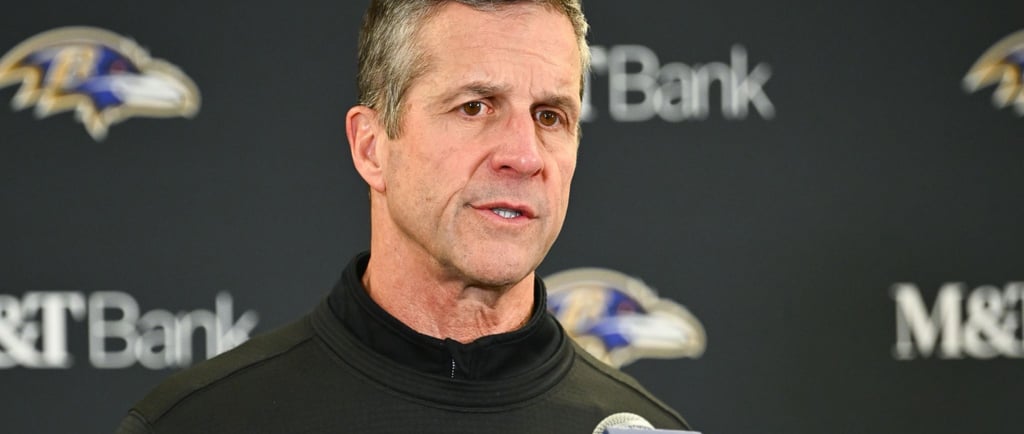
While the majority of NFL head coaches face the unforgiving reality of being fired after a series of disappointing seasons, a select few manage to carve out notable long-term careers. One such example is John Harbaugh of the Baltimore Ravens, whose tenure has been marked by stability and success. Harbaugh's journey illustrates several key factors that contribute to the rarity of long-term coaching success in the highly competitive NFL landscape.
Stable ownership is a critical element underpinning the longevity of successful coaches. The Baltimore Ravens, for instance, have demonstrated a commitment to their coaching staff, allowing for a consistent vision and coherence in team strategy. This stable environment fosters the conditions necessary for coaches to implement their philosophy and develop their players over time. In contrast, franchises that frequently change ownership or exhibit fluctuating priorities often struggle to maintain a coherent coaching perspective, leading to abrupt dismissals.
In addition to ownership stability, consistent performance is essential. Coaches who can deliver reliable results year after year not only secure their position but also gain the trust of their players and staff. Harbaugh's ability to lead the Ravens to multiple playoff appearances and a Super Bowl victory showcases how performance can create a solid foundation for job security. Furthermore, adapting to the evolving nature of the game is paramount. The most successful coaches demonstrate a capacity to innovate their strategies, adjust to new player dynamics, and integrate advancements in training and technology, thus staying relevant amid the rapid changes of the NFL.
Ultimately, the qualities that define successful long-term coaches include resilience, adaptability, and a strong vision for the team's future. These attributes allow them to navigate the complexities of an evolving league and maintain a sustained competitive edge, setting them apart in a profession characterized by high turnover.
Conclusion: Understanding the Coach Firing Cycle
In reviewing the myriad reasons behind the firing of NFL head coaches, it becomes evident that the cycle of hiring and firing is both complex and cyclical. The factors contributing to a coach’s dismissal often intertwine, creating a web of expectations, results, and organizational dynamics. Performance-related issues, particularly in terms of win-loss records, are typically at the forefront of discussions surrounding coach firings. However, underlying factors such as the strength of team culture, relationships with players, and the ability to adapt to the evolving landscape of the league also play significant roles.
Another important aspect of this cycle is the pressure from fan bases and owners. With high stakes and substantial financial investments in teams, expectations can lead to rapid changes at the coaching level. Coaches often find themselves in precarious positions where the tolerance for less than exceptional performance is minimal. This constant pressure creates an environment where the fear of job security looms large, leading some coaches to prioritize immediate results over long-term strategies.
Moreover, the dynamics of the coaching staff are crucial in understanding why coaches may be ousted. Coaches need not only strong strategic acumen but also the ability to build cohesive teams. Weaknesses in leadership could result in losing the locker room, which can be a definitive turning point in whether a coach remains in their position. The cycle continues as new coaches enter with their vision often different from their predecessors, thus resetting expectations and the potential for future dismissals.
In conclusion, the landscape of NFL coaching changes rapidly due to a combination of performance, organizational culture, public perception, and leadership capabilities. Future coaches should recognize these factors, aiming to foster solid relationships and effective strategies to navigate the pressures endemic to the league, thereby securing their positions over time.