Giving YOU THE RAW STORIES AND ALL THE BEHIND THE SCENES ACTION

Stephen A. Smith: From Sports Analyst to Political Contender?
SPORTS WORLD FIGURES
Glenn Spillman
1/3/20268 min read
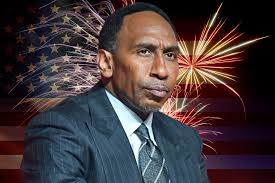
The Rise of Stephen A. Smith in Sports Media
Stephen A. Smith's ascent in the sports media landscape is a remarkable tale of ambition, talent, and persistence. Born in the New York City area, Smith embarked on his career in sports journalism with humble beginnings. Initially penning articles for local newspapers, he quickly distinguished himself with his insightful commentary and engaging style. His early work laid the foundation for what would become a flourishing career.
Smith made significant strides when he joined the Washington Post, where he honed his writing skills and developed a reputation for his passionate and often provocative opinions. His transition to television during the early 2000s signaled a turning point, as he embraced the medium with his signature charisma. His work on ESPN solidified his status as a prominent voice in sports commentary, particularly through shows like SportsCenter and First Take.
A pivotal moment in his career occurred when Smith became a co-host of First Take. His engaging debates, particularly with co-hosts like Skip Bayless, captivated viewers and expanded his audience. Smith’s style, characterized by lengthy monologues and spirited arguments, revolutionized the way sports commentary was presented. This led to not only a dedicated fan base but also significantly influenced public discourse surrounding sports events.
Moreover, Smith's writing and on-air presence reflect his deep understanding of sports culture and its intersection with societal issues. Through his commentary, he has engaged with broader conversations, often tackling topics of race, politics, and athlete activism. This multifaceted approach has not only enhanced his credibility but also positioned him as a critical voice within the sports community. Smith's journey from local newspaper writer to national sports media icon exemplifies how charisma and expertise can shape public conversation in meaningful ways.
The Success of His Podcast and Television Shows
Stephen A. Smith has established himself as a dominant figure in the realm of sports media, particularly known for his engaging podcast and television programs. His apparent ability to connect with the audience stands out, as he addresses a wide range of sports topics while also intertwining cultural and social issues. The success of his shows can be attributed to his distinctive interviewing style, which fosters open dialogues not only with athletes but also with fans and experts in the field.
His television programs, such as "First Take," have redefined sports commentary by allowing debates that explore various perspectives on relevant sports narratives. The chemistry between Smith and his co-hosts draws viewers in, as they dissect ongoing storylines from the world of sports, making it both informative and entertaining. This engaging format empowers not just conversations surrounding favorite teams or players but also ignites debates on broader themes such as race, politics, and individual athlete experiences.
Moreover, Stephen A. Smith's podcast serves as a platform for deeper exploration of these themes. He delves into topics that resonate with his audience, connecting sports with societal issues, which enriches the cultural context of the conversations. This strategic intertwining has further solidified his influence on sports culture, illustrating that athletic discussions can transcend the field and touch upon matters of broader significance.
His unique approach allows him to navigate between entertainment and educational values, encouraging listeners and viewers to think critically. As a result, Smith's shows not only reflect the pulse of sports culture but also shape popular narratives within it, making him a significant voice in contemporary sports discourse.
The Evolution of Stephen A. Smith as a Public Figure
Stephen A. Smith's journey transcends the realm of sports journalism, marking him as a notable public figure in contemporary culture. Initially recognized for his incisive commentary on sports, Smith has adeptly expanded his influence into social and political discourse, utilizing his platform to address various pressing issues. His evolution from a sports analyst to a multi-faceted commentator highlights the increasing intersection of sports and societal matters, reflecting a broader trend where athletes and analysts alike engage with issues beyond the playing field.
Smith's engagement with social issues became especially pronounced during critical moments in American society, such as discussions surrounding racial equality and police reform. By voicing his opinions on these matters, he has not only solidified his role as a thought leader but has also attracted attention from audiences who may not have previously followed sports commentary. This strategic diversification has allowed him to broaden his appeal, drawing in viewers who are interested in advocacy and social justice as much as they are in sports analysis.
Furthermore, Stephen A. Smith's ability to articulate complex social issues in an approachable manner has enhanced his status as a relatable public figure. His candid discussions on platforms like ESPN’s "First Take" often include personal anecdotes and insights, bridging the gap between sports and real-world implications. This unique approach fosters a connection with a diverse audience, demonstrating the power of sports media as a vehicle for societal change. In essence, Smith's evolution reflects an ongoing transformation in how public figures leverage their platforms to address significant cultural and political concerns, thereby enriching the public discourse around these pivotal issues.
The Rumors: Speculation of a Political Career
In recent years, speculation regarding Stephen A. Smith's potential political ambitions has surged, particularly in light of his influential platform as a prominent sports analyst. While Smith is best known for his engaging commentary on sports shows such as ESPN's "First Take," discussions surrounding a potential run for the presidency in 2028 have taken center stage in various media outlets. This interest is not solely derived from his visibility on television, but also from his vocal opinions on societal issues and politics.
Smith himself has hinted at the possibility of pursuing a political career during interviews and public speaking engagements. His comments suggest that he believes in leveraging his extensive following to effect change, particularly among younger voters. These remarks have ignited conversations among political commentators, who speculate that Smith could tap into a new demographic, drawing in audiences who may feel disillusioned with traditional political candidates.
The public reaction to these rumors has been mixed. Supporters laud the idea of a fresh perspective in politics, arguing that Smith’s background in sports and media could allow him to connect with voters on a personal level. Critics, however, question whether his celebrity status translates into viable political experience, pointing out that the complexities of political governance require more than charisma and popularity.
Additionally, political analysts have remarked on the unprecedented trend of public figures entering politics, particularly those from non-traditional backgrounds. They suggest that Smith’s unique approach could enable him to address contemporary issues in a relatable manner. However, as with any speculation, the realities of a political career are multifaceted and require thorough consideration. As the 2028 election approaches, the rumors surrounding Smith’s candidacy continue to evolve, keeping both supporters and skeptics attuned to the developments closely.
The Intersection of Sports and Politics
The relationship between sports and politics has a long-standing history, characterized by influential figures who have leveraged their platforms to advocate for social change and political issues. Over the years, a myriad of athletes and sports personalities have utilized their visibility to address societal concerns, thereby bridging the gap between the athletic world and the political landscape. This intersection is particularly significant as it highlights the potential impact that sports figures, like Stephen A. Smith, can have on public discourse and political engagement.
One prominent example is Muhammad Ali, whose refusal to serve in the Vietnam War became a pivotal moment in both sports and civil rights history. His stance not only transformed public perception of the conflict but also sparked a broader conversation about race and resistance in America. Similarly, during the 2016 U.S. presidential election, athletes such as Colin Kaepernick took bold stands against racial injustice and police brutality, igniting nationwide protests and discussions surrounding systemic inequality. These instances illustrate that sports figures are not merely athletes; they are often influential leaders who wield considerable power in shaping public opinion.
The increasing involvement of sports personalities in political matters raises pertinent questions about the responsibilities they carry. Figures in sports, particularly those with vast platforms, have the capacity to influence millions. Stephen A. Smith, known for his impactful commentary in the sports media realm, has the potential to extend his influence into political spheres. His position allows for meaningful dialogue surrounding issues like social justice, equality, and public policy. As history has shown, the intersection of sports and politics can motivate a populace and catalyze change, suggesting that Smith's involvement may bring further attention to critical societal issues.
Public Reception and Opinions on His Political Aspirations
As Stephen A. Smith's rumored political ambitions gain traction, public reception presents a mix of enthusiasm and skepticism. Polls conducted recently indicate a divided stance among the public; while a significant section believes that Smith possesses the charisma and communication skills necessary for politics, others question whether his background as a sports commentator adequately equips him for a political role.
Social media platforms have become a battleground for these opinions. On Twitter and Facebook, reactions are varied. Supporters highlight Smith's ability to engage a wide audience and argue that his platform could amplify important social issues. Many fans commend his outspoken nature, believing that it can bring a fresh perspective to political discussions. Conversely, critics express doubt about his seriousness and preparedness to tackle complex political issues, suggesting that his flamboyant style may not translate well to governmental responsibilities.
Political analysts have also weighed in on Smith's potential candidacy. Some affirm that his celebrity status could lead to higher voter engagement, especially among younger demographics disillusioned with traditional politicians. They suggest that leveraging his existing media presence is a strategy that benefits democracy by encouraging broader participation in the electoral process. Others caution against viewing celebrities as political saviors and emphasize the importance of substantive political experience and informed policy-making.
Overall, the public's response to Stephen A. Smith's political aspirations reflects the ongoing paradigm shift in American politics where unconventional candidates are beginning to resonate with voters. How this situation unfolds will depend significantly on climate over the coming months and Smith’s ability to navigate the complexities of a political landscape that often rewards seasoned politicians over outsiders.
Conclusion: What’s Next for Stephen A. Smith?
As Stephen A. Smith stands at a potential crossroads in his career, the choice between continuing his path as a renowned sports commentator or venturing into the political arena is a significant one. His impact in the sports realm, characterized by his articulate insights and candid opinions, has made him a household name. However, the allure of the political landscape offers a new platform for influence, which could reshape not only his legacy but also the discourse in both sports and politics.
On one hand, remaining in sports commentary allows Smith to leverage his existing relationships and credibility within that field. His extensive experience in sports media has afforded him a unique voice, which is invaluable. It provides him with the opportunity to continue addressing relevant issues, engaging with fans, and influencing the sports narrative. The sports community has a critical role in societal discussions, and Smith's part in it is increasingly important.
Conversely, transitioning to a political career presents its own set of challenges and opportunities. Engaging in politics may allow Smith to advocate for broader societal issues that resonate with his audience and elevate his platform to new heights. However, this path could also alienate some segments of his existing fanbase, as the political arena often invites polarized opinions and debates. Thus, while his qualifications as a commentator may serve him well, the demands of political life require a different type of engagement and commitment.
In conclusion, the trajectory Stephen A. Smith chooses will invariably impact not only his own future but also the relationship between sports and politics. His ability to navigate this complex landscape will determine how he is remembered, either as a stalwart voice in sports or as a pioneering figure at the intersection of sports and political discourse.